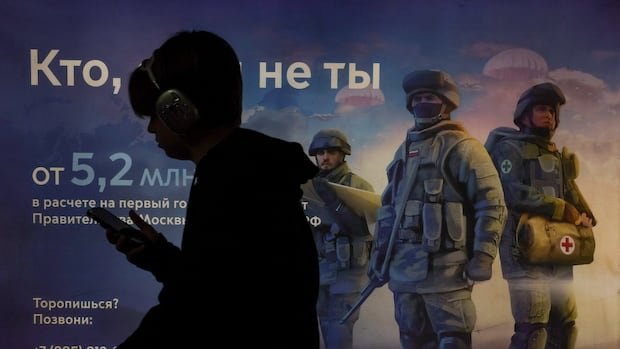

As Kyiv grappled with the aftermath of destructive strikes by ballistic missiles and jet-powered drones, the state-controlled media in Russia opted not to cover the damaged highrise buildings or the burning cars. Instead, Russian broadcasters highlighted successful strikes on military facilities in Ukraine and the interception of over 380 Ukrainian drones by Russia’s air defenses.
However, Russia’s own vulnerabilities came to light as local officials confirmed the deaths of two civilians in Russia during the recent strikes. Reports also emerged that Moscow is considering arming postal workers with anti-drone weapons in response to the escalating drone attacks from Ukraine, indicating how the conflict is encroaching further into Russian territory.
For years, the Kremlin has shielded much of the population from the realities of the war against Ukraine and its economic repercussions. Nevertheless, recent drone attacks on refineries, energy facilities, and e-commerce warehouses have underscored Russia’s susceptibility to such assaults, causing heightened anxiety among residents.
The fuel shortage in Russia, exacerbated by Ukrainian attacks on refineries and energy facilities, has led to long queues at gas stations, fuel rationing, and public discontent. To address the crisis, the government has resorted to importing fuel from countries like India, a significant step given Russia’s status as a major oil exporter.
Denis Volkov, from the Levada Center in Moscow, noted a surge in anxiety and a decline in approval of the Russian government amid the fuel crisis. While the mood has somewhat improved with the stabilization of fuel supplies, concerns persist over economic challenges and the ongoing hostilities.
As the Russian economy faces stagnation and potential decline, continued strikes by Ukraine on critical Russian infrastructure could further impede economic growth. Recent developments, including the dismissal of economists critical of the war’s impact, signal growing economic turmoil in Russia.
Amidst these challenges, individuals like Vitaliy, a businessman from Noginsk, express deep concerns about the economic downturn and the uncertainties ahead. The looming fear of potential mobilization and the impact of the conflict on daily life have instilled a sense of unease and prompted some to consider leaving the country.
Despite official denials of an imminent large-scale draft, apprehension persists among the populace, reflecting the pervasive fear and uncertainty gripping Russian society in the midst of the ongoing conflict.