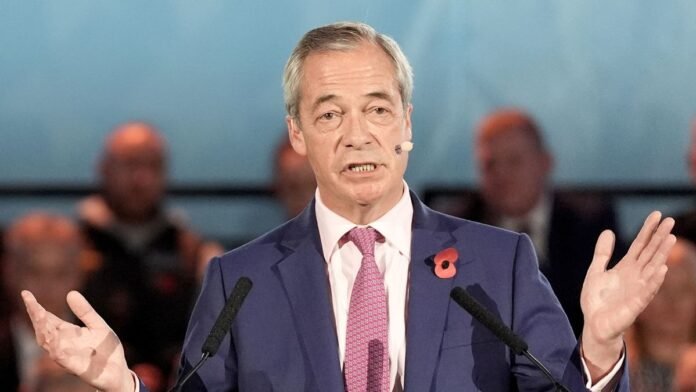

Nigel Farage is facing criticism for his proposal to relegate millions of EU residents to a lower status by implementing stringent cuts to benefits. The leader of Reform UK declared his intention to restrict individuals from European Union nations from accessing welfare programs such as Universal Credit. Opponents argue that this move could trigger a trade conflict with the UK’s neighboring countries, resulting in higher prices at retail outlets.
When questioned by The Mirror about the fairness of his plan, Farage acknowledged that “there will be immediate concerns for some individuals.” The TUC general secretary, Paul Nowak, expressed disapproval, stating, “It is unjust to treat EU workers who have contributed to Britain through taxes as inferior citizens.”
Farage also outlined his plan to raise the NHS surcharge for foreign nationals residing in the UK from £1,035 to £2,718 annually. This adjustment would necessitate renegotiating the existing Brexit agreement, although Farage did not provide specifics on what concessions he would offer in return. He mentioned his lack of popularity in Brussels when asked if he had engaged with the EU on these matters.
Tom Brufatto, policy director of Best for Britain, an organization advocating for closer UK-EU relations, criticized Farage’s intentions, warning of potential disruptions to trade and increased costs for consumers grappling with financial strains. Brufatto highlighted the adverse effects of Farage’s Brexit advocacy and subsequent policies on the country’s economic well-being.
Labour MP Luke Charters ridiculed Farage’s claim of being able to swiftly negotiate a new deal following his involvement in Brexit, labeling it as absurd. When pressed on the fairness of providing safety nets only to British citizens in case of company layoffs, Farage emphasized the need to address the current employment model and reduce the number of unemployed individuals of working age.