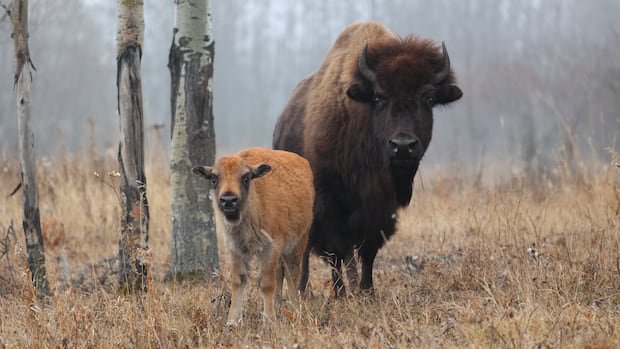

A long time ago, bison freely roamed North America in large herds with rust and auburn fur before being nearly wiped out. Recent DNA research sheds light on how the decline and slow return of bison to their former habitats have permanently altered the species. The study, detailed in the journal Science, analyzed 160 bison genomes over 20,000 years.
Led by paleogeneticist Jonas Oppenheimer and the Paleogenomics Lab at the University of California, Santa Cruz, the study involved nearly 40 scientists, many of whom are Canadian. By unraveling the genetic history of bison, researchers aim to enhance conservation efforts and improve the survival chances of these animals.
Modern bison herds are now fragmented and genetically isolated, posing challenges to their resilience. The study shows that historical human-driven population bottlenecks have led to significant genetic diversity among different herds today.
Sequencing bison genomes from ancient bones and modern herds allowed researchers to trace changes in the species’ biological diversity over time. The study included DNA samples from managed herds in Canada and the U.S. and ancient specimens from various collections.
The research highlighted the importance of maintaining distinct subspecies like wood bison and plains bison separately for effective herd management. The study also emphasized the need for genetic conservation efforts to reconnect isolated herds and prevent further loss of genetic diversity.
These findings provide a valuable tool for conservationists to facilitate genetic diversity among bison herds and promote their return to natural landscapes. The study’s insights could help ensure the sustainability and genetic health of bison populations in the future.