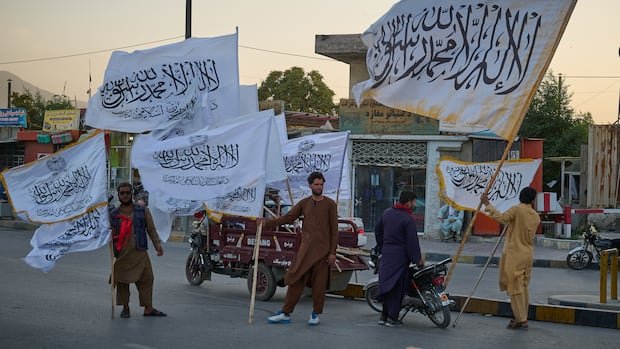

Abdul Razaq Khan, a former translator and fixer for Canadian media during the Afghan war, found himself jolted awake five years ago by a late-night message from a journalist he had assisted in Kandahar. Having relocated to Kabul after the Canadian exit from Afghanistan for a position at the American aid agency USAID, Khan was startled by the news of the Taliban’s advance on Kabul in the summer of 2021.
Responding to the concerned inquiry with a somber tone, Khan expressed that the situation felt apocalyptic. Today, residing safely in Canada, Khan continues to grapple with the abrupt loss of his job, home, and homeland, reflecting on the chain of events that led to the rapid downfall of the government backed by Western powers. “I had to leave my country. No one leaves their country willingly,” he lamented.
Escaping on foot just ahead of Taliban gunfire, Khan considers himself fortunate compared to many others who faced similar risks due to their association with Western media, military, or aid organizations. The Taliban’s resurgence not only uprooted countless Afghans but also ushered in a repressive regime characterized by the marginalization of women, suppression of dissent, and enforcement of strict moral codes.
The plight of Afghan women, who were a focal point of Western social initiatives during the conflict, has been particularly dire. The Zan Times, an Afghan women’s advocacy group, has documented a surge in violence against women in the country, with a glaring lack of justice. Their recent report revealed a disturbing trend where only a fraction of female victims receive justice, with suspects often walking free within hours of arrest.
Despite Western nations’ inability to directly safeguard women’s rights in Afghanistan post-2021, some countries have initiated special visa programs to relocate high-risk female figures such as judges, activists, journalists, and politicians. However, the effectiveness of these efforts has been called into question.
A recent report by Local Staff International and AfghanEvac evaluated the evacuation and resettlement endeavors of allied nations, highlighting the challenges faced in aiding vulnerable Afghans post-Taliban takeover. While Canada managed to resettle over 60,000 Afghans, including interpreters and their families, concerns persist for those still under the Taliban’s oppressive regime.
Former Canadian combat commander Major-General Denis Thompson emphasized the need to expand resettlement initiatives to assist the remaining vulnerable individuals in Afghanistan. U.S. Senator Chris Coons echoed this sentiment, emphasizing the importance of fulfilling promises made to those who risked their lives for American and NATO forces during the Afghan conflict.