
Canada and the United States are still at odds during ongoing negotiations for a tariff agreement before the set deadline by U.S. President Donald Trump, as per insider information. The federal government does not foresee an immediate resolution to the tariff negotiations due to substantial disagreements between the two parties, indicating a significant gap that needs to be bridged.
Dominic LeBlanc, the Canadian Trade Minister with the U.S., updated provincial and territorial counterparts on the negotiation status. While briefing members of the prime minister’s advisory committee on Canada-U.S. economic relations separately, there is a notable distance between the two countries on various unresolved matters.
Trade discussions between Canada and the U.S. intensified following Trump’s threat to impose a hefty 50% tariff on a multitude of Canadian goods starting on August 19. Sources familiar with the talks revealed that Canadian optimism is dwindling, with the U.S. adamant about their latest proposal. The U.S. offered to reduce sectoral tariffs on automobiles to 12.5%, a proposition deemed inadequate by the Canadian side.
Quebec’s Economy Minister, Bernard Drainville, briefed by LeBlanc, emphasized the substantial gap that still exists between the two nations, with no indication that Trump might delay the application of the 50% tariffs. Erin O’Toole, a former Conservative leader and advisory committee member, echoed the sentiment, stating that the positions of both countries remain significantly distant.
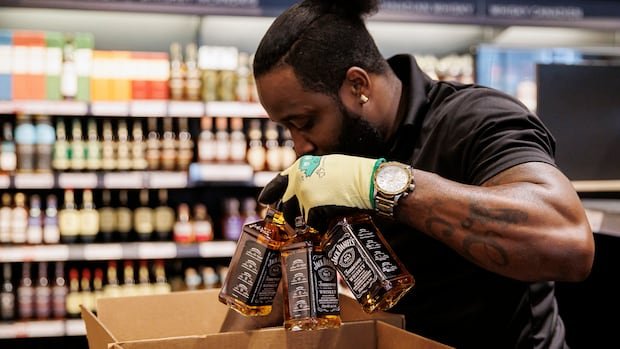
The federal government has instructed provinces to prepare for the reintroduction of American alcohol on store shelves in the event of a tariff agreement. Additionally, provinces and territories were asked to be ready to eliminate retaliatory procurement rules favoring Canadian suppliers if a deal is reached, based on insider information.
The current discussed deal would involve the U.S. refraining from imposing new levies while reducing existing sectoral tariffs on Canadian steel, aluminum, autos, and forest products, although not eliminating them entirely. In return, Canada would need to make concessions on the three areas of concern highlighted in Trump’s latest threat.
Quebec Premier Christine Fréchette emphasized the importance of preserving the supply management system that safeguards Canadian dairy, a contentious issue for the U.S. Trump has repeatedly expressed dissatisfaction with the access of U.S. dairy farmers to the Canadian market.
Recent talks have been described as “constructive,” with efforts to address issues like the booze bans as part of potential tariff relief. Negotiators are working to provide viable options for both Canadian and U.S. leaders following the ongoing discussions.
The booze bans were implemented by Canada in response to Trump’s tariff threats last year and have significantly impacted U.S. alcohol exports to Canada. U.S. spirit-makers have reported severe financial consequences, with American wine sales in Canada decreasing by $343 million in 2025.
Ontario Premier Doug Ford expressed willingness to restore American alcohol to the province’s shelves upon reaching a fair deal that safeguards Ontario’s key sectors. Ford highlighted that tariffs on Canada equate to taxes on American citizens, urging a pragmatic approach to resolving the trade disputes.
Even if U.S. alcohol becomes available again, many Canadians have indicated their reluctance to purchase American products.