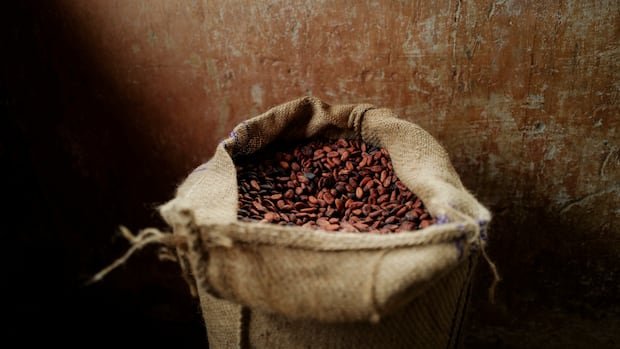

A recent peer-reviewed study highlights heavy rainfall as a significant threat to cocoa production, often overshadowed by concerns about heat and drought. Cocoa prices have surged in recent years, with a tonne now priced around $6,000 US, a substantial increase from the $2,000 to $3,000 range seen since 2014. The spike in prices in 2024, exceeding $12,000 US, was triggered by various factors, including severe flooding in West Africa, the world’s leading cocoa-growing region.
The impact of heavy rainfall on cocoa farming is evident, as Leslie Agyare, founder of Three Mountains Cocoa in Ghana, notes the challenges faced due to excessive rainfall hindering harvesting activities. While climate change exacerbates extreme weather events, the study suggests potential interventions like fungicide use and improved drainage to mitigate the spread of fungal diseases affecting cocoa production.
The study, focusing on Ghana, the second-largest cocoa producer globally, underscores the adverse effects of extreme rainfall during flowering on cocoa yields. The sensitivity of cocoa trees to excess moisture, leading to damage to flowers and young pods, highlights the need for climate-resilient strategies in cocoa farming. Additionally, the research points out non-climactic risks such as aging trees and illegal mining as further threats to cocoa production.
Experts emphasize the necessity of infrastructure investments and improved farming practices to address the challenges posed by extreme rainfall. Agyare advocates for streamlining post-harvest processes and enhancing water management practices to ensure sustainable cocoa production. However, the increasing unpredictability in weather patterns raises concerns about the future of cocoa farming in West Africa and the viability of traditional cocoa-based chocolate production.
In response to the volatile cocoa market and climate-related challenges, companies like Nestlé are exploring alternative sources for chocolate production, such as cocoa-free options like ChoViva, which utilizes sunflower seeds. This shift towards more resilient supply chains highlights the growing importance of diversifying chocolate production to reduce dependency on traditional cocoa farming methods.
Despite the historic underpricing of chocolate, particularly in the context of smallholder farmers in West Africa, experts warn that escalating prices may not translate to improved conditions for cocoa growers. As climate shocks continue to impact cocoa farming, the industry faces the prospect of significant changes in production methods and sourcing strategies to ensure sustainability in the face of evolving environmental challenges.