
As wildfire evacuees in northwestern Ontario gear up to return home, local officials caution that their communities may have undergone significant changes during the summer months.
Around 624 evacuees from Whitesand First Nation and Armstrong have sought refuge in Thunder Bay since mid-July. These neighboring communities, considered closely linked by their residents, are approximately 260 kilometers away from the city.
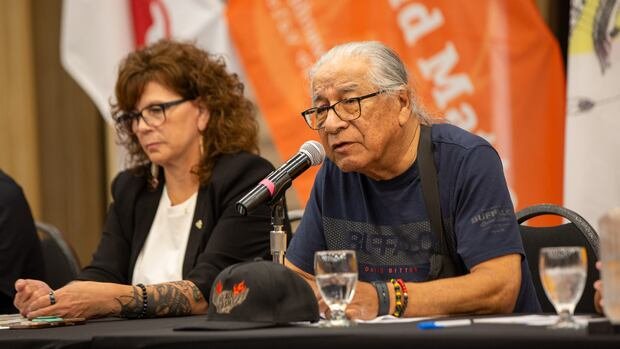
During a virtual press briefing on Friday, Chief Lawrence Wanakamik of Whitesand indicated that the Ministry of Natural Resources is likely to rescind evacuation orders later this week. However, Wanakamik emphasized that residents should not rush back immediately after the orders are lifted. Whitesand must ensure that the community is adequately prepared before residents return home.
To facilitate the repatriation process, essential personnel will be dispatched to ensure that crucial services such as water, stores, supplies, and internet connectivity are operational.
At the peak of this summer’s wildfire activity, northwestern Ontario housed over 2,800 evacuees from more than a dozen communities. Presently, Ontario’s Ministry of Emergency Preparedness and Response (MEPR) reports that just over 700 individuals remain displaced.
MEPR officials stated on Monday that decisions to return to communities are made by First Nation community leadership in consultation with the Ministry of Natural Resources. Evacuation orders will only be lifted when fire experts determine that communities are no longer at risk from wildfires.
Whitesand has yet to request ministry assistance for the repatriation of its members, according to MEPR officials.
Furthermore, the MEPR will coordinate transportation and support services as needed once residents are permitted to return to their communities.
In preparation for the return, Whitesand and Armstrong are still without cellphone and landline services. The province plans to deploy Starlink equipment to provide internet access for three months in case of emergencies.
Darian Baskatawang, senior adviser and in-house counsel for Whitesand First Nation, highlighted the anticipation of smoke and water damage to homes and buildings. Efforts are underway to deliver air purifiers and cleaning supplies promptly to address these challenges.
Another essential aspect of repatriation is ensuring the availability of mental health resources to support residents as they adjust to changes in their communities.
As wildfire teams from Canada and Mexico continue to battle blazes in the region, community members have rallied to provide support through donations.
Other communities, such as Cobourg, have also contributed to fundraising efforts for evacuees, raising significant sums to aid Whitesand and Armstrong during this challenging period.
The Northwestern Ontario Wildfire Community Support Fund, initiated by the United Way of Thunder Bay and Thunder Bay Community Foundation, has garnered substantial donations to assist those affected by the wildfires.
Overall, the collaborative efforts and generosity of various communities have been pivotal in supporting evacuees and preparing for their eventual return home.