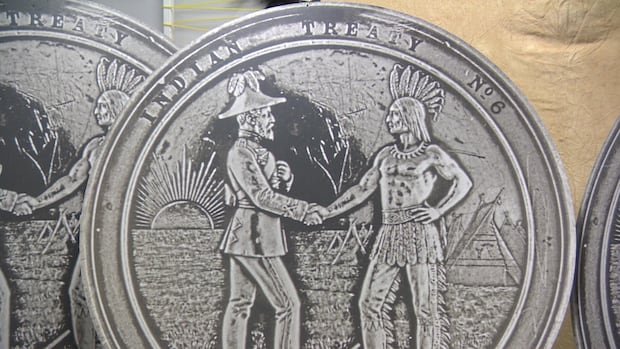

First Nations communities across Treaty 6 territory have been commemorating the 150th anniversary of the 1876 agreement with the Crown during this month. However, the upcoming referendum on Alberta independence has overshadowed these celebrations for some individuals.
The fall referendum in Alberta includes a question about whether the province should continue as part of Canada or initiate a process for a binding separation referendum. Many First Nations members are concerned about the implications of this question on their treaty rights and entitlements.
Grand Chief Joey Pete of the Confederacy of Treaty 6 First Nations, representing nations in Alberta, expressed the importance of mobilizing First Nations to vote amidst the separatist discussions. He emphasized that the treaty is unrelated to Alberta and that the province acts as a representative of the Crown in the agreement.
The treaty secures various rights for First Nations, such as health, education, and the ability to hunt and live off the land, rights that remain in effect today. Janice Makokis, an assistant professor at the University of Windsor and a member of Saddle Lake Cree Nation, highlighted Canada’s legal obligation to act in the best interests of First Nations.
The separatist group Stay Free Alberta initiated a petition last year to consider Alberta’s independence, prompting the Alberta government to formulate its own referendum question. This move led to legal disputes with First Nations arguing that the province failed to consult them adequately.
Despite challenges, the Confederacy of Treaty 6 First Nations organized a series of events preceding the treaty’s anniversary. Grand Chief Joey Pete criticized the absence of representatives from Alberta’s UCP government at these events, viewing it as a setback to reconciliation efforts.
Treaty 6, signed in 1876 at Fort Carlton, spans central Alberta and Saskatchewan, with additional signatories from Manitoba. The treaty’s significance in Alberta’s history, transitioning the region into Canada, was emphasized by Dwayne Donald, a professor at the University of Alberta.
Discussions around potential independence have sparked ideas on the future relationship between First Nations and an independent Alberta. While some suggest increased economic freedom for First Nations in an independent Alberta, others like Chief Vernon Watchmaker remain committed to unity with Canada due to longstanding relationships with the Crown.
Amidst these debates, the importance and sanctity of the treaties were underscored by legal experts and community leaders. The potential impacts of separation on indigenous rights and land agreements remain a focal point of contention within the ongoing discussions.