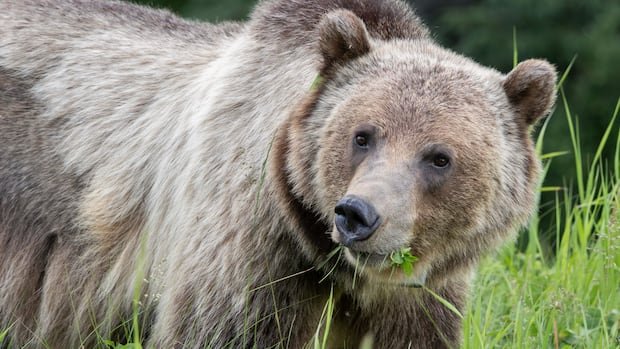

In 2024, Alberta witnessed the highest number of human-caused grizzly bear deaths on record, with 40 known fatalities. The data, spanning from 2005 to 2025 and available on the provincial government’s website, revealed that 21 grizzlies were killed through agency removals, conducted by entities such as Alberta Fish and Wildlife Enforcement Services and conservation officers. This marked a significant increase compared to previous years, with 2016 reporting 29 known human-caused grizzly bear deaths, primarily due to vehicle collisions.
The surge in grizzly bear mortalities in 2024 has been linked to the updated grizzly bear response guide implemented by the province in 2023. The revised framework categorizes bears based on various factors, including behavior and reproductive status, allowing for more decisive actions by law enforcement. Notably, 14 of the 21 grizzlies killed in 2024 were male bears.
Under the latest response guidelines, male grizzlies can be euthanized upon the first report of problematic behavior if they are outside designated recovery areas. Female bears, considered crucial for the population due to their breeding capabilities, receive more leniency. Despite the need for justifications and consultations before taking lethal actions, preventative measures such as hazing and area closures are emphasized.
While the mortality rate dropped to 18 in 2025, with six being agency removals, conflicts between grizzlies and humans continue to fluctuate annually. Factors influencing these conflicts include local bear populations, food availability, and environmental conditions. The provincial government stressed that the 2024 spike in grizzly bear deaths was not indicative of a widespread issue but rather highlighted the variability in conflict incidents across different regions.
As the province grapples with balancing wildlife conservation and human safety, discussions on legalizing grizzly bear hunting have resurfaced. Grizzly bear sport hunting was prohibited in 2006, with calls to reinstate it to manage conflict situations. Despite an estimated 1,000 grizzly bears in Alberta, the last official population count dates back to 2018, raising concerns about the need for updated data to inform conservation strategies.