
Rising costs for food and shelter have been highlighted as key contributors to the affordability crisis. However, recent consumer price index (CPI) data reveals that the expenses for maintaining good health in Canada have also significantly increased since the peak of overall inflation in June 2022.
The surge in healthcare expenses may not be readily apparent to many Canadians, as a considerable portion of these costs are covered by the public healthcare system and are not reflected in the CPI data. Additionally, out-of-pocket health expenditures are often sporadic, unlike regular expenses such as rent or groceries.
Despite being less visible, healthcare prices have exhibited a notable upward trend in recent years, according to Andrew Longhurst, a senior researcher at the Canadian Centre for Policy Alternatives (CCPA). Longhurst anticipates that this growth will continue, particularly with the aging population and provincial governments implementing fiscal restraint measures.
While the overall all-items CPI has increased by approximately 11% since June 2022, the category of health and personal care has seen a sharper rise of over 15%, trailing behind shelter costs (over 16%) and food prices (nearly 19%). Specifically, health-care services, encompassing eye exams, physiotherapy, and basic dental care, have surged by 18.5% – nearly on par with food price increases.
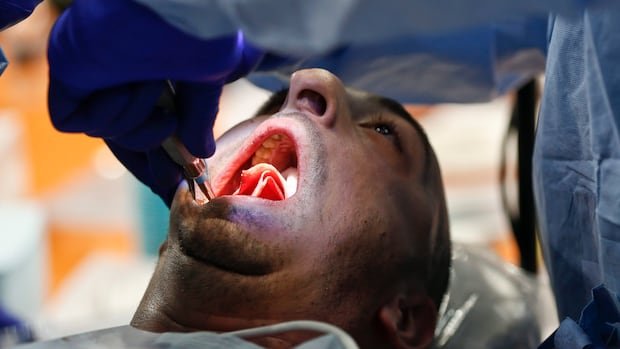
Dental care services and eye care products have experienced a 20% price hike since June 2022, reflecting a divide between public and private sectors within the healthcare industry, where costs are more regulated on one side.
Statistics from Statistics Canada illustrate that healthcare service prices have consistently outpaced overall inflation for many years, with healthcare services often exceeding general inflation rates by a significant margin. This trend is attributed to the economic dynamics of healthcare and dental services, where labor costs play a substantial role.
Private spending on healthcare has been rising steadily, with Canadians increasingly bearing a larger share of the financial burden. A recent analysis by the CCPA indicates that private health-care spending per person grew by 8.1%, outpacing public spending growth, emphasizing the growing private burden in the healthcare sector.
The escalation in healthcare costs poses a risk of financial strain on individuals less equipped to handle additional expenses, particularly those with limited income and resources. Longhurst warns of widening disparities in access to care based on financial standing, emphasizing the need for government intervention to bridge these gaps and ensure equitable healthcare access for all Canadians.