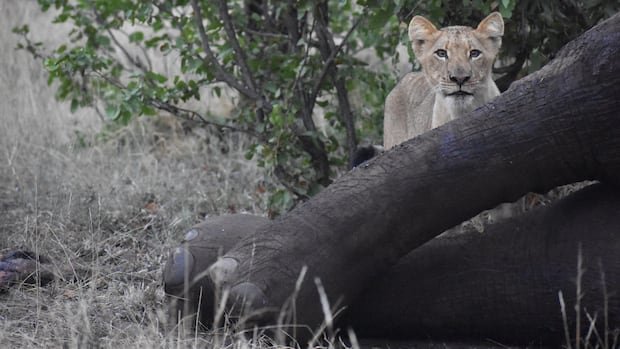


In the vast African savannah, elephants are transforming the ecosystem even after their demise, as revealed by a recent study conducted by an international team of researchers in South Africa’s Kruger National Park.
Known for their role as “ecosystem engineers,” elephants significantly influence their surroundings during their lifetimes by shaping the landscape and consuming vegetation. However, the study aimed to explore whether their impact persists post-mortem.
Lead author Courtney Reed, an ecologist, emphasized the significance of nutrients present in elephant carcasses, such as carbon, nitrogen, and phosphorus, which continue to play a vital role in the ecosystem even after the elephants’ death.
The study’s findings, published in the Proceedings of the National Academy of Sciences of the United States of America, indicate that the decomposition of elephant carcasses releases substantial nutrients into the soil, fostering soil microbial activity and promoting the growth of nutrient-rich plants.
Renewal Process
The research revealed that the effects of decomposition endure for over seven years, attracting herbivores to the site due to the flourishing vegetation. Despite an initial setback where the high nutrient concentration inhibits plant growth, the ecosystem eventually recovers.
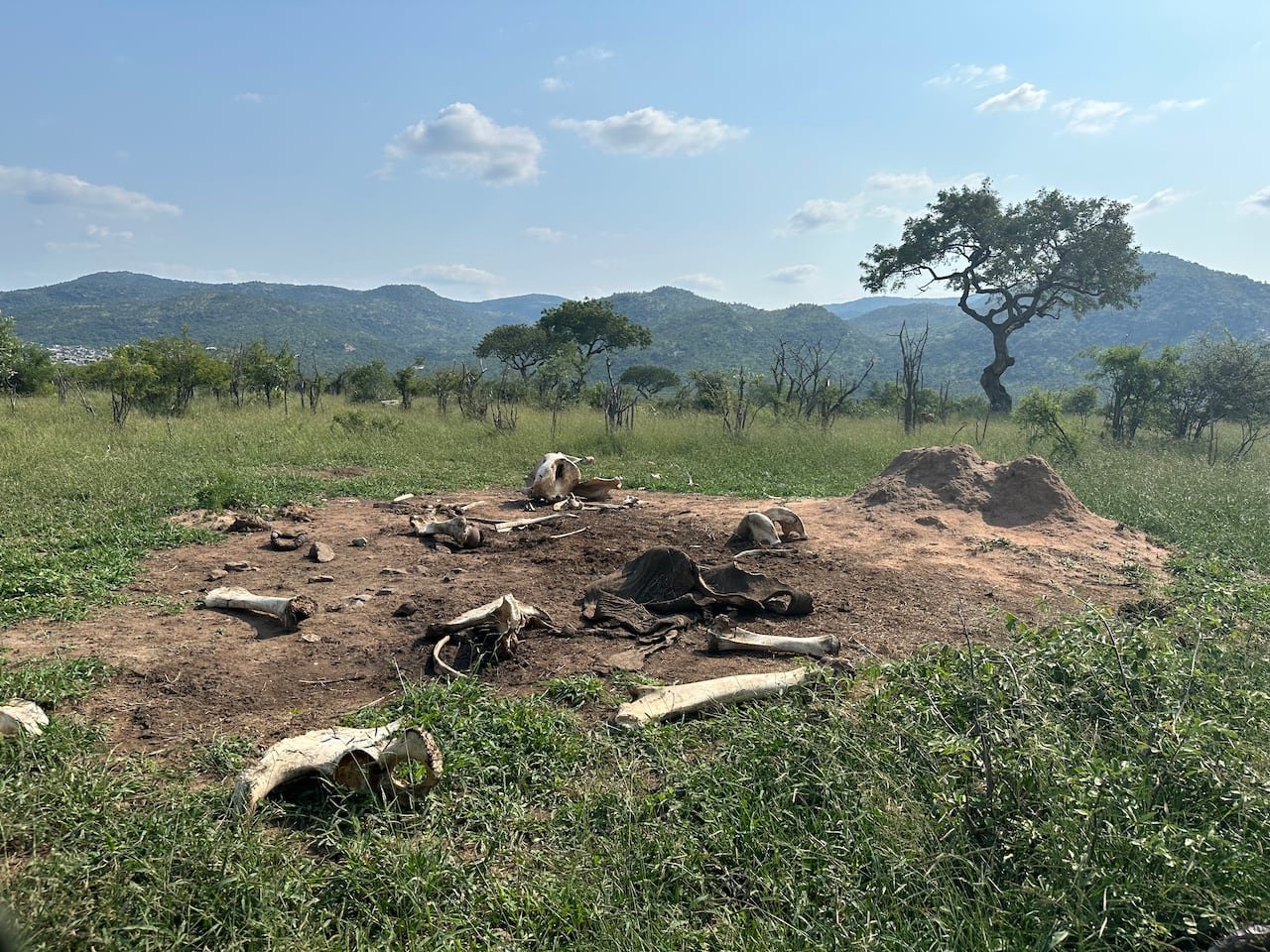
The study found that the high concentration of nutrients in elephant carcasses initially kills off vegetation around the place of decomposition, leaving large bare patches or ‘cold spots’ in biodiversity. (Submitted by Courtney Reed)
According to Reed, the recovery process involves the gradual conversion of excess ammonium into nitrate by bacteria, making the vegetation nitrogen-rich and appealing to herbivores like zebras and buffalo, thus sustaining a cycle of herbivore activity.
- <a class="cardWrapper-u5T0r cardWrapper-_487P noPaddingCardWrapper" data-feature-instance="similar-link" data-feature-name="link