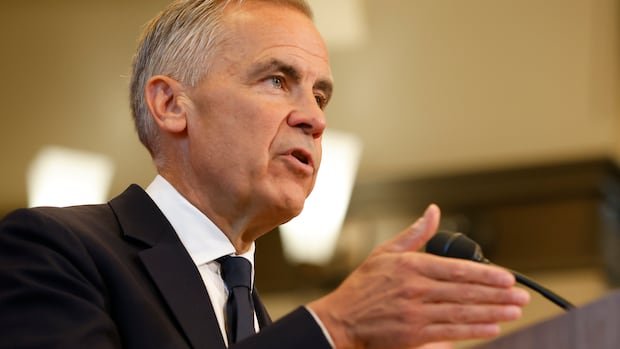

Prime Minister Mark Carney instructed his negotiators to cease discussions with the Trump administration due to unacceptable demands related to culture, autos, and sovereignty. Carney emphasized that the U.S. lacked interest in forming a genuine economic partnership with Canada. He criticized the late demands as detrimental to a fair agreement, highlighting issues such as subsidies for French culture and bilingual product labels.
Carney pointed out that the U.S. aimed to treat Canadian-made auto parts unfairly and impose tariffs selectively without justification. These demands, if accepted, would have negatively impacted Canada’s vehicle production in the long run. Ontario Premier Doug Ford supported Carney’s decision, stating that Canada is prepared for a trade conflict with the U.S.
The U.S. also proposed measures that would infringe on Canada’s sovereignty, particularly by limiting the country’s ability to engage in other trade agreements. Carney expressed disappointment in the U.S.’s approach, highlighting the lack of unity within the American administration during negotiations.
The failed trade talks have led to the implementation of tariffs on Canadian products by the U.S., prompting Canada to retaliate with matching tariffs. Carney emphasized the importance of defending Canadian industries and workers against one-sided tariffs that could harm the country’s economy.
Economist Trevor Tombe warned that the tariffs could result in significant job losses across Canada, with estimates suggesting up to 90,000 jobs at risk. Carney reassured businesses affected by the tariffs of government support and pledged to release details of assistance plans in the coming week.
Carney underscored the government’s commitment to protecting Canadian interests and sovereignty in trade negotiations, emphasizing the need for fair and mutually beneficial agreements.