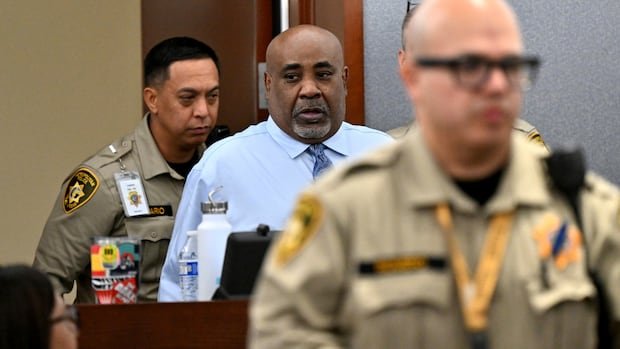

A trial has commenced for former gang member Duane (Keffe D) Davis, accused of involvement in the 1996 shooting that led to the death of iconic rapper Tupac Shakur. The trial, held in Las Vegas, focuses on Davis’ alleged role as a leader in the gang responsible for targeting Shakur. While not charged with pulling the trigger, prosecutors seek to establish Davis as the orchestrator behind the attack.
Shakur’s cousin, William Leslane, expressed skepticism about the trial’s ability to deliver justice after three decades. The late rapper’s murder has long been shrouded in mystery and speculation, with Davis’ 2019 memoir, “Compton Street Legend,” providing crucial insights into the incident. Shakur, a prominent figure in the rap scene known for hits like “Dear Mama” and “California Love,” was associated with West Coast hip-hop and signed with Death Row Records at the time of his tragic death.
The fateful night of the shooting occurred in Las Vegas following a boxing match attended by Shakur and Death Row Records co-founder Marion (Suge) Knight. The attack, carried out by assailants in a Cadillac, left Shakur fatally wounded and sparked rumors and conspiracy theories within the music industry. Davis’ narrative in his book sheds light on the events leading up to the shooting, emphasizing a motive rooted in revenge.
As the trial progresses, legal experts anticipate the significance of Davis’ memoir, interviews, and interactions with investigators in determining his culpability. Despite regret expressed in his writings, Davis’ account of the shooting and its aftermath will play a pivotal role in the courtroom proceedings. Shakur’s enduring legacy as a multifaceted artist and cultural icon continues to resonate in the music world, reflecting his dynamic contributions to hip-hop culture.