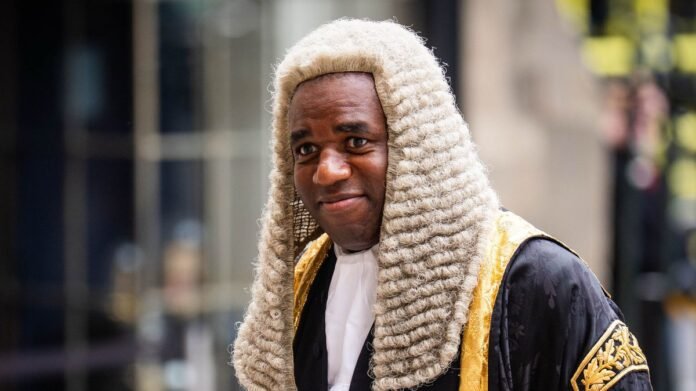

The Government is facing calls to reassess significant changes that would eliminate jury trials for all but the most severe offenses. Justice Secretary David Lammy emphasized the lack of an inherent right to jury trials in the UK and highlighted the necessity for drastic measures to reduce the backlog of cases in the crown courts of England and Wales.
Proposed reforms suggest that juries would only preside over murder, rape, or manslaughter cases, leaving the majority of cases to be heard by a single judge. These proposals exceed the recommendations put forth by Sir Brian Leveson following his review of the criminal courts earlier this year.
Government insiders believe that this shift will expedite case resolutions, providing relief to victims who have been waiting extended periods for justice. Despite these intentions, the move has sparked controversy within the legal community, with concerns raised about the potential for a “star chamber” style of justice resembling historical practices from centuries past.
Critics, including Riel Karmy-Jones KC of the Criminal Bar Association and Barbara Mills KC of the Bar Council, argue that diminishing the right to jury trials could sever the link between the State and the public, eroding trust in the justice system and jeopardizing social unity. They advocate for addressing existing inefficiencies in the system before implementing such sweeping changes.
The Bar Council warns that these radical reforms may undermine trust in the justice system and stresses the importance of thoroughly evaluating efficiency improvements before overhauling the longstanding tradition of jury trials. The call for a more measured approach and thorough testing of proposed reforms has gained support among legal professionals.
The Justice Department has been requested to provide a response to these concerns.