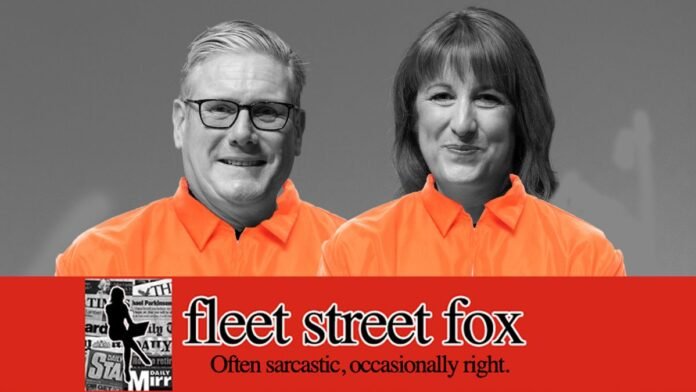

Many individuals, regardless of their financial status, are apprehensive about the upcoming Budget presentation on Wednesday. It is not just the wealthy who dread this event; ordinary, rational people with empathy share the sentiment of not wanting to witness Chancellor Rachel Reeves delivering her speech at the Despatch Box.
Anticipating the Budget announcement is not akin to watching an exciting movie. The expectations include tax hikes, economic gloom, increased debt, austerity measures, financial maneuvering, and political posturing. The Chancellor’s lackluster performance is evident, reminiscent of a groundsman at Accrington Stanley facing dismissal due to poor pitch-rolling skills.
Despite a prolonged period of speculation, revision, and selective leaks of Budget details to gauge public and market reactions, one element remains uncertain – the color of Rachel’s hair. While personal grooming choices are subjective, the inconsistency in presentation may contribute to market uncertainty, akin to a student switching pens during an exam without apparent benefit.
The fiscal agenda set by Chancellor Rachel Reeves and Prime Minister Keir Starmer is not primarily focused on addressing public concerns. Their priorities align with the interests of financial institutions, market players, pollsters, and party politics. While the public worries about everyday expenses, policymakers are more concerned with financial borrowings. The divergence in priorities suggests a precarious political trajectory for the government.
The Budget discourse may touch upon minor adjustments, such as additional funding allocations or incremental changes in social benefits. However, the scope for radical shifts is limited by financial constraints and political considerations. The government is constrained from significant policy alterations due to ongoing challenges and the need to portray substantial change without substantial action.
The impending Budget announcement is unlikely to bring substantial changes, despite rhetoric suggesting otherwise. The prevailing economic challenges, including job losses, technological advancements, escalating costs, geopolitical tensions, and societal transformations, demand a responsive government agenda oriented towards meaningful change.
The current administration, led by Starmer, was not elected based on their merits but rather as a response to dissatisfaction with previous Tory governments. The transition to power under Labour has not resulted in substantial improvements, with persistent issues overshadowing governance efforts and public perception.
Labour’s prospects would have been more favorable if they had won the 2029 election, offering potential resolutions to ongoing crises and a chance for economic recovery. However, unforeseen events, scandals, and political missteps have hindered their progress, raising doubts about their ability to govern effectively.
The Budget address symbolizes a critical juncture for the government, with limited room for significant policy shifts. The prevailing challenges, combined with internal controversies and public discontent, create a precarious political landscape for Starmer and Reeves, signaling potential setbacks in the near future.