
Conspiracy theories have been around for centuries, persisting despite advancements in human knowledge. From doubting Christopher Columbus’s round Earth theory to questioning the Moon landing, 9/11, Princess Diana’s death, Barack Obama’s birth certificate, the Roswell incident, and now, even the Covid pandemic – these theories have gained traction over time.
Recently, there has been a surge in misinformation, with claims ranging from Bill Gates implanting microchips in people’s brains to Covid being a Big Pharma hoax. Influential figures, including celebrities like Madonna, have fueled these theories, causing concern among the public.
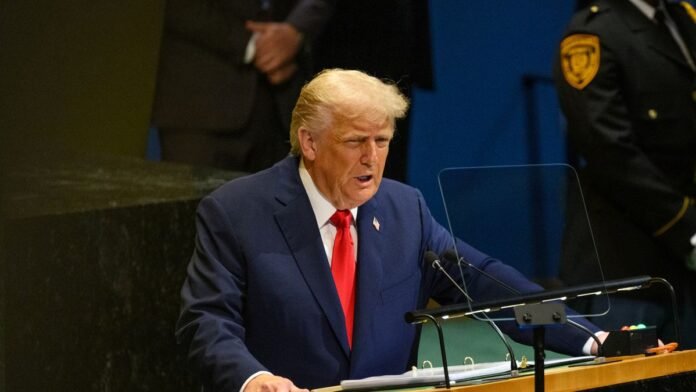
Former President Donald Trump’s unsubstantiated claims, such as the 2020 election being stolen, were initially dismissed, but as he continues to make baseless accusations and threats, the global community is taking notice. In a recent speech at the UN, Trump propagated various conspiracy theories, including climate change being a scam and London’s Muslim mayor planning to introduce Sharia law.
The rise of populism has further exacerbated the spread of conspiracy theories, with Trump’s allies like Nigel Farage adding fuel to the fire. In Russia, President Putin’s regime thrives on conspiracy theories to deflect criticism and maintain control.
Conspiracy theories serve as a tool for populists to manipulate public sentiment and sow division. The dangerous implications of these theories, like the Great Replacement theory, which echoes Hitler’s rhetoric, highlight the need for vigilance against the spread of misinformation and the potential consequences it can lead to.