
The N.W.T. Department of Environment and Climate Change (ECC) has observed a decrease in the number of bison road collisions in recent years. Between 2021 and 2025, there were 60 recorded collisions with bison, but in 2026, only one collision has been reported so far.
According to Terry Armstrong, a bison ecologist at ECC, wildfires may be a contributing factor to this decline in collisions. Bison tend to shift their habitats after fires, seeking out newly burnt areas for fresh vegetation, which they find appealing. With significant wildfires in recent years, more bison are opting for post-fire environments over roadside vegetation, leading to fewer collisions.
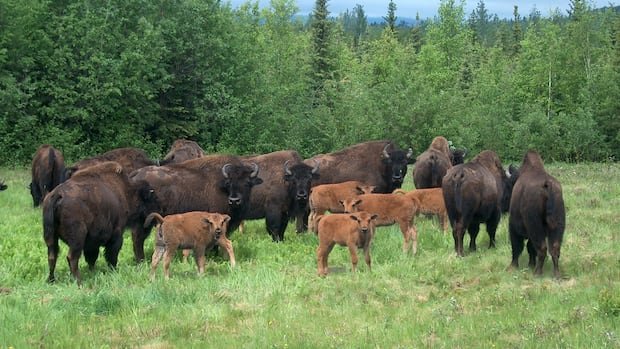
The wood bison population in the N.W.T. is considered threatened both locally and nationally. Estimates indicate there are currently several thousand wood bison, with ECC approximating the population at slightly over 2,500.
During the rutting season from August to September, bison exhibit more aggressive behavior, particularly along Highway 3, where numerous collisions have occurred. Armstrong warns that bison may engage in fights for dominance during this period, increasing the risk of collisions with vehicles.
As daylight diminishes, visibility decreases, especially during dawn and dusk, making it crucial for drivers to exercise caution. Armstrong advises drivers to drive slowly, maintain distance from bison, and avoid actions that could provoke them, such as honking. It is emphasized that approaching or attempting to interact with bison is hazardous, given their size and potential aggressiveness.
Armstrong highlights the significance of respecting bison as a unique and endangered species, urging people to prioritize safety and avoid confrontations with these majestic animals.