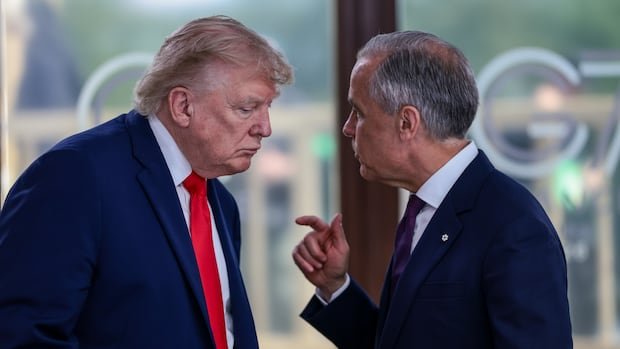

First Nations are facing uncertainty and preparing for the repercussions of the escalating trade tensions between Canada and the U.S., as significant tariffs are now in effect for certain business sectors.
Shannin Metatawabin, the CEO of the National Aboriginal Capital Corporations Association, highlighted that approximately 7.5% of Indigenous small and medium-sized enterprises engage in exporting and are at risk of negative impacts. However, the exact extent of the consequences remains uncertain due to insufficient data on the positioning of Indigenous businesses within the trade landscape.
The imposition of tariffs by U.S. President Donald Trump on Canadian imports began in early 2025, with British Columbia being particularly vulnerable to the newly imposed 50% tariffs on specific goods. This development has raised concerns among First Nations in the province, especially those involved in forestry activities.
John Jack, the elected chief councillor of the Huu-ay-aht First Nations on Vancouver Island, expressed deep concerns about the potential repercussions on their forestry investments. These investments include a significant partnership in HFN Forestry Limited and Iskum Investments, demonstrating the tribe’s heavy involvement in the sector.
The impact of the tariffs is expected to affect Huu-ay-aht citizens who benefit from forestry revenue, supporting essential community services and employment opportunities. Jack emphasized the importance of exploring new trade partnerships with countries like Japan, South Korea, and China to mitigate the impact of reduced exports to the U.S.
Furthermore, data from the B.C. government revealed that over half of the province’s exports in 2025 were directed to the U.S., with wood, pulp, paper, metallic minerals, and energy products being the major exported commodities. First Nations in B.C. have rights to harvest a significant portion of the province’s annual allowable cut, according to B.C.’s Ministry of Forests.
Dallas Smith, president of the Nanwakolas Council representing six First Nations on northern Vancouver Island, also expressed concerns over the substantial impact of the tariffs on their forestry investments. The council’s investments in the forestry sector, particularly in plywood production, are expected to be severely affected.
In Ontario, First Nations leaders are apprehensive about the potential repercussions of the tariffs on steel and automotive sectors, anticipating a rise in commodity prices that could exacerbate economic challenges. Regional Chief Abram Benedict emphasized the need for proper consultation and inclusion of First Nations in major projects despite the challenges posed by the new tariffs.