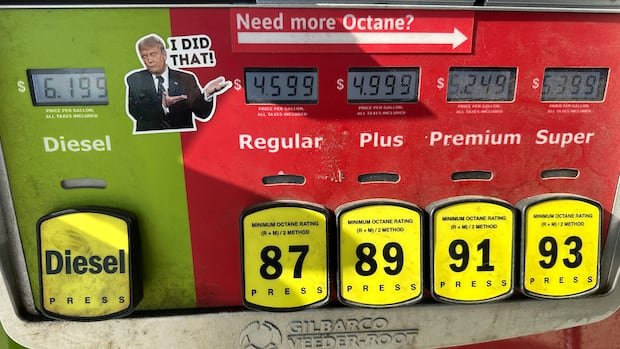

For almost a year, President Donald Trump has been urging voters not to worry about increasing prices. He has dismissed concerns about affordability as a tactic by Democrats, claimed consumer prices had dropped during his tenure when they had actually risen, and repeatedly stated that gas and diesel costs, which surged after initiating the conflict with Iran, would soon decrease.
However, various polls indicate that voters are not convinced by Trump’s assertions, giving him low ratings on the cost of living. According to Silver Bulletin, which compiles public polling data, over 70% of American respondents disapprove of Trump’s handling of inflation on average.
The latest inflation figures are unfavorable for Trump and the Republican Party as they aim to retain control of the U.S. Congress in the upcoming midterm elections on Nov. 3. The U.S. Department of Labor reported that the consumer price index rose by 3.7% in September compared to the previous year, primarily driven by increases in fuel and clothing prices.
Spencer Kimball, the executive director of Emerson College Polling Center in Boston, notes that polling shows the economy is the top concern for voters nationwide leading up to the midterms. Specifically, concerns about the cost of living, rather than jobs or taxes, are at the core of these economic worries.
Kimball highlighted that everyday expenses are accumulating, causing concerns about affordability among people. He doubts that there will be a quick solution to rising gas prices or other living costs within the next three weeks.
President Trump’s recent travels across the country reflect a push to bolster Republican chances in the midterm elections. He has visited several traditionally Republican states where the party is now facing challenges due to cost of living issues.
Tim Malloy, a polling analyst at Quinnipiac University Poll, described Trump’s recent travels as a frantic effort to support Republican candidates who are unexpectedly at risk of losing due to rising living costs. Malloy emphasized that gas prices are a significant worry among voters, with many attributing the blame to Trump’s unfulfilled promises.
In Martinsburg, West Virginia, a staunchly Republican community, residents expressed struggles with the increasing prices. Individuals like Christalyn Levy, a local thrift store cashier, mentioned relying on food pantries to survive due to the high cost of groceries.
Juliana Kaiser, a resident in the same area, shared how she has adapted by baking her own bread and reducing travel to save money. The impact of rising prices is expected to influence her voting decisions in the upcoming midterms.