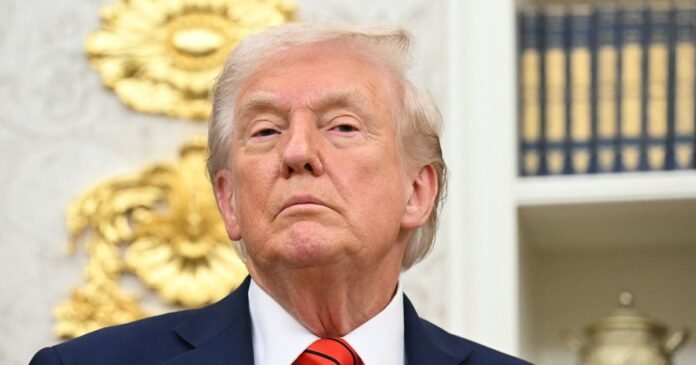

Donald Trump is being credited with achieving what others have not in the Middle East. However, critics argue that Trump’s self-praise and focus on personal glory overshadow the peace deal he brokered. The recent release of 20 hostages and the initial troop withdrawal in Gaza are seen as potential first steps towards a long-lasting peace, although skepticism remains high.
Despite Trump’s declaration of ending the war and receiving accolades like the Israeli Presidential Medal of Honor, doubts persist about the sustainability of the peace agreement once his influence diminishes. Trump’s approach has been characterized as unpredictable and driven more by intimidation than genuine negotiation skills.
The future of the region hinges on a phased withdrawal, release of hostages, and significant financial support from Arab states to rebuild Gaza. While Trump aims to shift focus towards economic development to deter conflict, similar attempts in the past have not yielded lasting peace.
Critics argue that Trump’s involvement is more about seeking recognition and short-term victories rather than a genuine commitment to long-term peace. As the peace process unfolds, challenges like corruption, bribery, and the risk of escalating violence may test Trump’s willingness to engage further.
The complexity of the situation in the Middle East requires a sustained, dedicated effort, which some doubt Trump is willing to provide. Without a genuine commitment to addressing underlying issues and fostering true reconciliation, Trump’s involvement may not lead to a sustainable peace agreement.