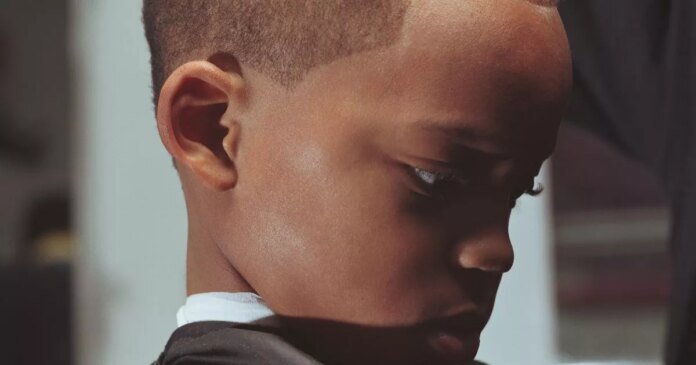

On the first day of my child’s entry into secondary school, like many parents, I felt a deep sense of pride. Seeing my son in his crisp new uniform – blazer, tie, shirt, and polished shoes – filled me with joy, prompting me to capture the moment in numerous photographs.
Upon reaching the school, a teacher singled out my son, requesting that his parent meet with them. Stepping forward with pride, I was taken aback when the teacher mentioned a concern about my son’s haircut not complying with the school’s policy.
I was puzzled by the teacher’s use of the term “contravention” regarding my son’s hairstyle, which I perceived as entirely normal, consistent with his style from primary school – a short crop akin to that of former US President Barack Obama.
The school deemed my son’s haircut “extreme” due to its length falling below a specified grade, causing me distress and almost bringing me to tears. Despite apologizing and assuring the teacher, I was indignant about the unnecessary division and unpleasant experience it created.
Instances of black children facing disciplinary action over hairstyle choices have been too frequent. Therefore, it was heartening to learn about headteacher Julie Richardson of St Albans, who abolished strict hair rules, allowing students to express themselves freely without fear of isolation.
Many uniform policies regarding hair are deemed unreasonable, disregarding cultural backgrounds. For instance, black schoolgirls have faced prohibitions on braids, classified as hair extensions, despite being practical and time-saving.
This exclusionary approach fosters resentment among students, undermining their well-being. Lack of diversity among school governors further exacerbates the issue, necessitating a shift towards more inclusive representation to address such concerns effectively.
I commend Ms. Richardson for her progressive stance and hope that more schools follow suit in embracing diversity and inclusivity.