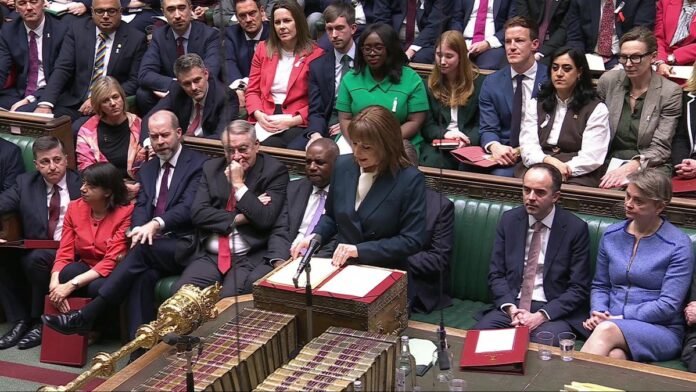

Rachel Reeves has unveiled her second Budget after much anticipation. Key measures introduced on this significant day included scrapping the two-child benefit limit and halting rail fare increases.
Economists will scrutinize the Chancellor’s policies, which notably involve a freeze on income tax thresholds. Reeves presented £26 billion in tax rises, emphasizing that those with more financial resources would bear a heavier tax burden.
The Mirror delves into lesser-known details hidden within official documents. Notably, the freeze on fuel duty is set to last until September 2026. The Office for Budget Responsibility (OBR) indicated that the temporary 5p fuel duty cut, initiated during the pandemic, will gradually revert to pre-cut levels starting April 2027.
Despite provisions to assist families with living costs, the OBR revised down growth in real household disposable income. The forecast predicts a slowdown in income growth due to anticipated wage stagnation and increased taxes.
While taxes were raised in this Budget, the Government’s Budget document anticipates further tax hikes post the upcoming election. The OBR projects that implementing digital ID cards will incur a total cost of £1.8 billion over the next three years, prompting discussions on funding sources and potential budget adjustments.
Changes in the Special Educational Needs and Disabilities (SEND) funding model could lead to reduced spending in schools, as warned by the OBR. The government plans to integrate SEND costs into the Department for Education’s operational budget, but details on funding this estimated £6 billion expense in 2028-29 remain unclear.
Reeves’ introduction of a new mileage tax for electric vehicles is anticipated to dampen car sales, with an estimated reduction of 440,000 car sales by 2031. The Treasury will mandate drivers of electric cars to estimate and pay mileage charges, potentially impacting consumer demand.
The decision to abolish the Office for Value for Money (OVfM) was disclosed alongside the Budget, with its responsibilities absorbed by the Treasury. Reeves’ crackdown on overseas online retailers aims to eliminate customs duty loopholes and level the playing field for local businesses.
Moreover, a £2,000 salary sacrifice cap on pensions from April 2029 is expected to impact workers and employers. The ABI criticized this move, stating it could diminish pension savings and jeopardize retirement security.
Raising alcohol duty in line with inflation has drawn criticism from the industry, with concerns over increased prices affecting distillers and the hospitality sector. Additionally, a review of the proposed Digital Services Tax highlighted potential exemptions for tech giants pending a global tax reallocation agreement.
In summary, Reeves’ Budget addresses various economic challenges and introduces measures that will impact taxation, spending, and consumer behavior in the coming years.