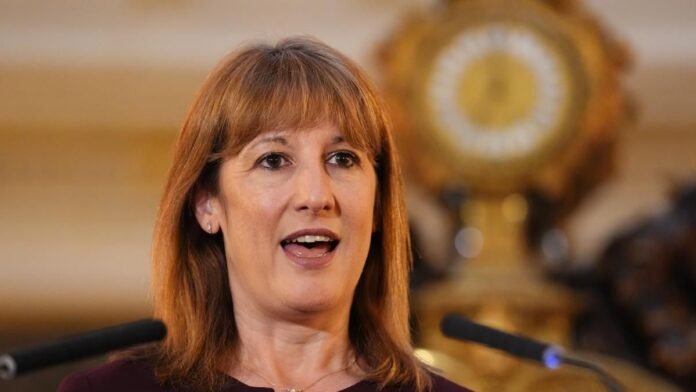

Rachel Reeves has decided not to proceed with a proposed significant increase in income tax outlined in the budget. Treasury insiders disclosed that improved economic projections have lessened the financial deficit, enabling the Chancellor to abandon the plan. The possibility of income tax hikes had been hinted at by Ms. Reeves, suggesting that spending cuts might be the alternative.
Efforts were made by ministers to persuade MPs to support the proposal, which would have conflicted with Labour’s commitment to shield working individuals from VAT, National Insurance, and income tax hikes. However, the Office for Budget Responsibility informed the Treasury that the public finance shortfall is closer to £20 billion rather than the previously predicted £30-40 billion.
The more optimistic forecast is attributed to robust tax receipts, driven in part by higher wages leading to increased tax payments, along with a less severe decline in productivity than anticipated. Despite speculation causing government bond sell-offs due to concerns about a potential policy shift by the Chancellor, a government source emphasized the importance of transparency regarding the financial challenges and the consideration of all options.
While stating that the Chancellor had no intention of breaking the manifesto pledge, the source emphasized a commitment to avoid doing so if possible, although acknowledging that tough decisions lie ahead and that taxation remains a viable option. Rachel Reeves faces a formidable task in balancing the budget and is likely to allocate around £15 billion as a buffer against future economic uncertainties.
One potential measure under consideration is extending the freeze on income tax thresholds for an additional two years beyond the scheduled end in 2028. This action, often criticized as a stealth tax, results in more individuals entering higher tax brackets as their incomes increase. Another proposal being discussed involves adjusting income tax thresholds downward while maintaining the current tax rates.
Health Secretary Wes Streeting welcomed the decision to uphold Labour’s manifesto commitment and emphasized the importance of rebuilding trust in politics. The shift in policy was not influenced by recent internal political tensions, as asserted by insiders. The move was met with approval from Baroness Harriet Harman, who stressed the need for public confidence and investment to stimulate economic growth.
Economists raised concerns about potential repercussions of policy reversals on critical fiscal matters following previous U-turns on contentious issues like welfare cuts. The Institute for Fiscal Studies expressed apprehension that diverting from the income tax hike plan might lead to alternative taxes that could impede economic progress and indicate governmental reluctance to tackle challenging issues.
Market uncertainty was highlighted by Ruth Curtice of the Resolution Foundation, cautioning against excessive speculation. While policy adjustments are customary before a budget announcement, the public airing of such changes is deemed unusual. The Treasury refrained from commenting on tax speculation outside official fiscal events, emphasizing the commitment to making equitable decisions for the country’s future in the upcoming Budget presentation.