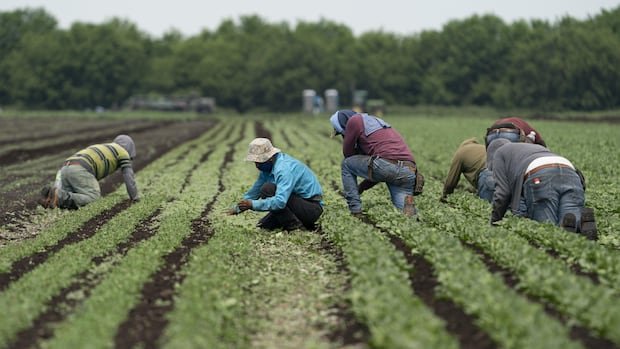

Prince Edward Island has decided not to participate in a federal initiative that permits rural employers to increase the hiring of temporary foreign workers at lower wages. The federal government had announced a temporary adjustment to raise the cap on low-wage temporary foreign workers from 10% to 15% for rural employers in certain provinces and territories due to ongoing labor shortages.
The province of Prince Edward Island stated that after evaluating the available information and considering the needs of local employers, it was deemed unnecessary to partake in the temporary measures at this time. Louis-Philippe Gauthier from the Canadian Federation of Independent Business expressed disappointment at the province’s decision, emphasizing the challenges faced by rural employers in filling positions in accommodation and food services due to a lack of local applicants.
Prince Edward Island revealed that the proposed federal measure would have impacted 14 employers and approximately 46 positions on the island, primarily in accommodation and food services. The province engaged with potentially affected employers to explore alternative workforce solutions, focusing on existing permanent immigration pathways that align with program criteria.
Gauthier stressed the essential role migrant workers play in sustaining businesses, particularly in industries like restaurants and customer service. He highlighted the necessity of migrant workers for maintaining normal operations, citing feedback from small businesses. Mitch Martin from the Greater Summerside Chamber of Commerce expressed concerns that the province’s decision could further strain small and medium-sized businesses struggling to attract and retain workers, especially for entry-level and seasonal roles across various sectors.
Gauthier debunked the notion that raising wages alone would resolve the labor shortage issue, emphasizing the complex factors at play such as demographic changes and job preferences among the workforce. Despite concerns about temporary foreign workers displacing young Canadian workers, Gauthier pointed out the challenges faced by businesses in recruiting and retaining local talent, particularly in rural areas.
Joe Byrne, co-ordinator of the Migrant Worker Resource Centre at P.E.I.’s Cooper Institute, welcomed the decision by Prince Edward Island, suggesting that fewer migrant workers could mean reducing vulnerable workers in precarious situations. Byrne called for reforms to the closed work permit system, advocating for open work permits and a pathway to permanent residence for migrant workers to enhance their job flexibility and stability in Canada.
Overall, the discussions reflect the intricate dynamics surrounding the employment of temporary foreign workers and the ongoing efforts to address labor market needs in Prince Edward Island.