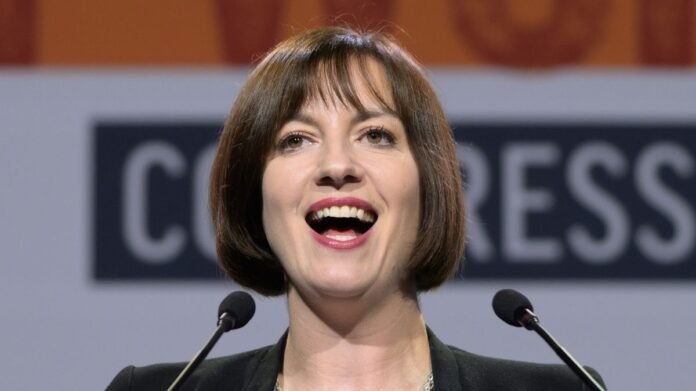

Bridget Phillipson emerges as a powerful figure with the support of Keir Starmer, making the Deputy Leadership a significant position.
Despite the deputy leadership contest not being at the forefront of most Labour Party members’ thoughts, its importance remains undeniable. The rushed decision to proceed without thoroughly considering the role of a deputy leader in a Labour government, especially when the Prime Minister is not obliged to offer the deputy premiership, has left some questioning the process.
The departure of Angela was met with sadness by many within the Party, highlighting the challenging nature of political circumstances that can force individuals to step down, regardless of future vindication.
Now faced with a choice between two highly qualified women from northern constituencies, the focus shifts to who can best contribute as a loyal deputy without unsettling the status quo or signaling future leadership ambitions. The pivotal factor in this decision is identifying the candidate with the most experience and who can effectively communicate dissenting opinions to Keir Starmer when necessary.
For me, the scales tip in favor of Bridget Philipson, given her strong advocacy for education issues that have long been a personal priority. Her dedication to early childhood initiatives, including revitalizing the Sure Start program, promoting quality childcare, and advocating for educational standards and enhancements, instills confidence in her ability to influence Keir Starmer towards substantial investments in education and skills development.
Bridget’s leadership in the Child Poverty Review not only reflects her background and expertise but also underscores the importance of comprehensive policies to combat family poverty, ultimately reducing child poverty rates.
With the challenges ahead, particularly in addressing the fallout from the previous government’s mishandling of special educational needs, Bridget’s influence and rapport with key figures like Rachel Reeves will be crucial in navigating the political landscape effectively.
As the potential Deputy Leader, Bridget’s authority can facilitate consensus-building within the party, ensuring collective commitment towards shared goals. Regardless of the outcome, the elected individual will need to collaborate with Anna Turley, the Party’s new Chair, to define strategies for internal party affairs, campaign coordination, and fostering unity within the Parliamentary Labour Party.
While ballots may not always capture attention, the significance of the Labour Party’s deputy leadership contest should not be underestimated.