
As worries escalate regarding a potential Russian strike on NATO territory, the top commander of the alliance emphasized the repercussions of any direct assault, stating firmly on Monday that military action will be taken.
NATO member countries are currently grappling with a challenging threat that is proving difficult to combat, as it increasingly infiltrates their airspace unchecked. Suspected Russian drones have breached NATO airspace along its eastern border in nations like Romania and Poland, prompting NATO jets to intercept potential threats.
Moreover, a multitude of unidentified drones have been sighted over critical installations such as military bases, nuclear facilities, and airports in NATO countries stretching as far west as Germany, Belgium, and France, causing disturbances and revealing vulnerabilities in defense systems.
This situation appears to be part of a deliberate effort to instill fear and uncertainty, with the issue showing signs of escalating. For example, German authorities have recorded over 1,000 suspicious drone-related incidents since January 2025, averaging about 1.5 incidents per day targeting essential infrastructure, military sites, and defense enterprises.
The prevalence of mysterious drones across Europe poses challenges in detection and interception, making it hard to attribute their origins. Defense experts suggest that these activities form part of a broader Russian hybrid campaign aimed at creating ambiguity and disruption within NATO territories.
Ulrike Franke, a prominent drone expert in Europe, pointed out the increasing number of incidents linked to Russian aggression towards Europe, particularly in light of the conflict between Russia and Ukraine.
The incidents of mysterious drones over Europe have been ongoing for years, sparking concerns of a covert “hybrid warfare” strategy aimed at undermining adversaries through unconventional means while avoiding open conflict. Recent spikes in these incidents indicate a resurgence in such activities.
Countries like Norway, the UK, and Belgium have reported a rise in drone-related disruptions near sensitive sites. Incidents like suspected drone sightings disrupting flight operations at major European airports highlight the seriousness of the situation.
European officials and experts are grappling with the challenge of attributing these drone activities to Russia while acknowledging the complexity of the issue. The evolving nature of these incidents underscores the need for enhanced security measures and public awareness to address the threats posed by these covert operations.
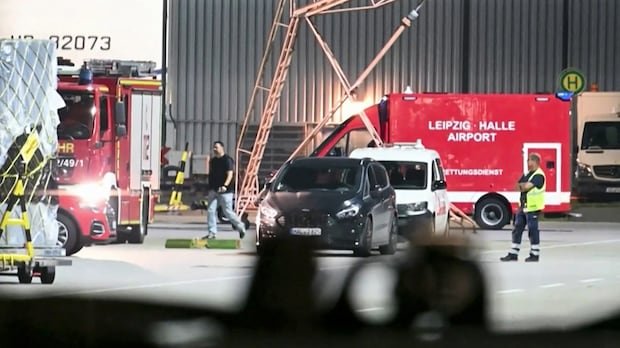
The discovery of a custom-built drone near a Ukrainian cargo plane at Leipzig/Halle Airport in Germany in August marked a significant turning point, providing concrete evidence of Russian involvement and prompting coordinated responses from European nations and NATO allies.
European leaders are increasingly pointing towards Russia’s role in these incidents, emphasizing the need for a united front to deter future attacks. However, the question of deterring and countering such hybrid warfare tactics remains a pressing concern for European security.
As these incidents potentially become the “new normal” in Europe, safeguarding critical infrastructure and enhancing preparedness for similar attacks are crucial priorities. European leaders are tasked with navigating these challenges to prevent polarization and destabilization while addressing the evolving security landscape effectively.