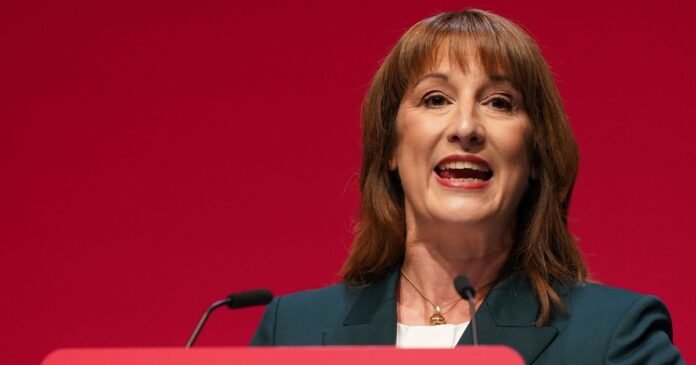

The challenging financial situation has sparked discussions about potential tax increases in the upcoming Budget. While VAT has been considered, it raises concerns for the Labour party due to their previous pledge against raising taxes. Speculations suggest a possible reversal of this stance by Chancellor Rachel Reeves.
Key officials, including Darren Jones, have refrained from confirming Labour’s commitment to their manifesto promise, leaving room for ambiguity. Despite rumors, reports indicate that a VAT hike is unlikely. Value Added Tax (VAT) is a significant revenue source, projected to generate £180.4 billion this year, contributing substantially to the national income.
VAT, applied to most goods and services by VAT-registered businesses, plays a vital role in the economy. While the standard VAT rate is 20%, there is also a reduced rate of 5% for specific items like household energy bills and children’s car seats. Post-Brexit, the UK has the flexibility to set its own VAT rates within a range.
Considering potential VAT adjustments, targeting specific goods and services is a plausible strategy. However, imposing VAT on private healthcare, a previously exempt sector, may not materialize as indicated by Health Secretary Wes Streeting. Exploring alternative options such as taxing unhealthy food items or adjusting small business VAT registration thresholds are also under consideration.
In the current economic climate, any VAT changes must be carefully evaluated to avoid disproportionate impacts on working individuals or small businesses. As discussions continue, the Treasury faces the challenge of balancing revenue needs with socio-economic considerations, highlighting the complexity of tax policy decisions.