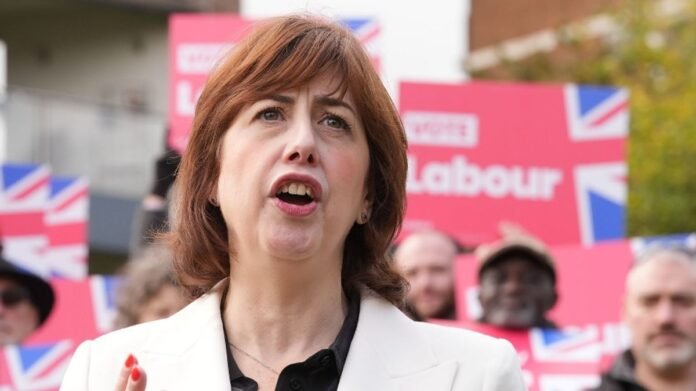

Elected as the Labour Deputy Leader was not something I anticipated at the start of the year. It has come as a surprise but also a great privilege. Holding such a significant and historic role within the Labour Party is a responsibility I take seriously, especially given the current circumstances.
The members of the Labour Party chose me for specific reasons. They sought a Deputy Leader who could help the party improve, articulate our values clearly, and demonstrate whose interests we represent. They emphasized the importance of unity within the team, highlighting the need to work together rather than criticize from the sidelines. I have pledged to uphold both aspects.
The need to address pressing issues has never been more critical. The challenges faced by ordinary citizens have escalated over the past decade. A job alone is no longer sufficient to sustain a decent standard of living. Affordable and secure housing is increasingly out of reach, particularly for the younger population. Rapid changes in the workforce, coupled with global conflicts and migration, have direct impacts on our society.
Throughout the UK, people are clamoring for change and demanding to be heard by politicians who understand their concerns. It is imperative for the Labour Party to demonstrate that we are the ones addressing these issues collectively. Failure to do so may lead people to seek solace in false promises and simplistic solutions. Transforming the country, public services, and the economy to prioritize the well-being of ordinary citizens requires genuine effort and commitment.
In order to convey our narrative effectively and illustrate that mainstream politics can instigate real change, we must put in the necessary effort, remain focused, and engage with the public constructively, avoiding internal conflicts and blame games.
For instance, the recent Budget clearly reflected Labour values. Measures such as lifting hundreds of thousands of children out of poverty, predominantly supporting working families, were financed through a mansion tax, a gambling levy, and fairer taxes on income from assets. Additionally, initiatives included salary increments for low-wage workers, reduced energy bills, healthcare improvements, and expanded access to free school meals. A Labour-led government under Keir Starmer aims to benefit the majority, not just a select few.
Despite frustrations over the lack of visibility of our achievements, cutting through the noise and effectively communicating our message becomes challenging when internal disagreements become public.
Looking ahead to early 2026, with significant Labour policies set to take effect, including enhancements to sick pay, wage hikes for low-income earners, improved renting conditions, public ownership of railways, increased social housing, a substantial rise in the state pension, financial support for families, and the eradication of zero-hours contracts, it is crucial to champion these initiatives relentlessly. There may not be another opportunity to do so.
With major elections approaching across Britain in the near future, it is essential for all Labour members to support Keir Starmer to prevent handing over control to rival parties, particularly Reform, in poorly managed councils or in Wales and Scotland. As Labour representatives, our duty to the nation is to unite, prioritize the country’s interests, and combat divisive politics. Internal unity is essential to achieve this goal.