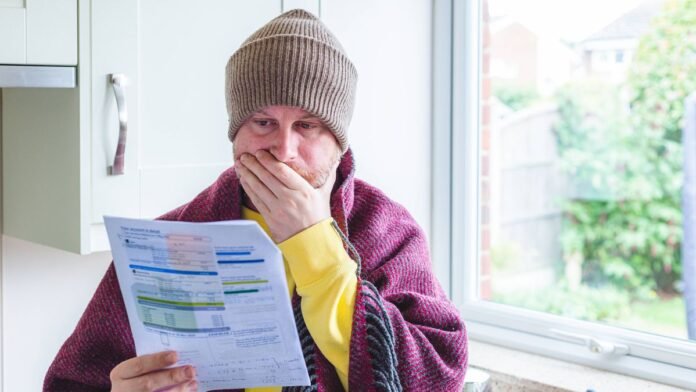

As we approach the new year, many households are bracing for an upcoming rise in energy bills. Starting January 1, Ofgem’s price cap will see a slight increase of 0.2%, potentially resulting in an average annual cost of £1,758 for customers. This adjustment is part of Ofgem’s regular review process every three months.
Chancellor Rachel Reeves recently announced measures in the Budget that could lead to estimated savings of £150 per year for consumers. Despite this, the majority of the approximately 34 million customers on standard variable tariffs will still be affected by the price cap increase.
To avoid uncertainties, an increasing number of households are opting for fixed energy deals, now totaling around 21 million according to Ofgem. While fixed deals do not guarantee a static overall bill, they lock in the unit rate for a specific period, with the total amount dependent on usage.
Switching to a fixed deal could mean savings of around £230 annually for customers on standard variable tariffs. The process of switching suppliers is quick, and customers may not even have to change suppliers if their current one offers money-saving deals.
Having a smart meter with your current supplier does not hinder the switching process, as it works similarly to traditional meters. Research by Uswitch.com revealed 26 fixed deals cheaper than Ofgem’s current price cap, the lowest being Ecotricity’s EcoFixed – 1 Year Oct 25 v1 at an average of £1,527 per year.
Various other fixed deals are available, such as Outfox Energy’s Fix’d Dual Dec25 12M v1.0, So Energy’s So Kings One Year Green tariff, and E.ON Next’s Next Fixed 24m v35, offering different contract lengths and prices.
Energy Secretary Ed Miliband has urged suppliers to pass on the promised £150 average saving to fixed-rate customers, potentially reducing bills further from April onwards. Suzanne Edwards from Uswitch.com emphasized the value of fixed energy deals amid falling wholesale prices, advising households to consider locking in rates before the price cap increase in January for potential savings of £228 against the upcoming cap.