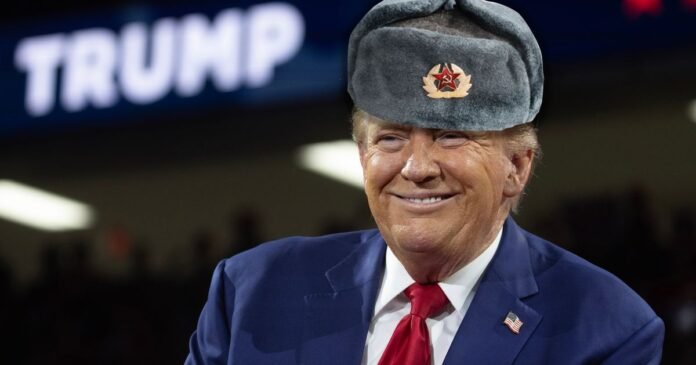

In a recent diplomatic debacle involving Donald Trump’s Ukraine “peace plan,” leaked transcripts have shed light on the appointment of Steve Witkoff, a real estate developer with limited global security experience, to handle a critical international crisis. Witkoff’s involvement, perceived as unconventional for such a high-stakes situation, has raised concerns about the administration’s approach to foreign policy.
The transcripts of Witkoff’s conversation with Yuri Ushakov reveal a tone of excessive praise and flattery towards President Putin’s aide, suggesting a lack of diplomatic finesse in handling sensitive geopolitical matters. The White House’s non-dispute of the leaked transcript further underscores the unorthodox nature of the situation.
Critics have pointed out the alarming lack of professionalism in entrusting crucial peace negotiations to individuals with questionable qualifications, such as Witkoff and Jared Kushner, who collaborated on a controversial “peace plan” heavily skewed towards Russian interests. This skewed proposal, which includes significant concessions from Ukraine, has sparked concerns about the erosion of European security.
The overt alignment of the US plan with Russian demands, as openly discussed by Russian officials, has raised suspicions of collaboration between the two nations at the expense of Ukraine’s sovereignty. The repercussions of such actions extend beyond Ukraine, posing a direct threat to European stability and emboldening Russian expansionism in the region.
The mismanagement and negligence displayed in these negotiations have drawn criticism from both domestic and international observers, with concerns mounting over the administration’s approach to critical international affairs. The disregard for professional diplomatic protocols and the prioritization of personal relationships over strategic interests have led to a situation where geopolitical brinkmanship is mistaken for dealmaking, and global security is treated as a trivial matter.
The implications of Trump’s handling of the Ukraine crisis go beyond mere diplomatic missteps; they pose a tangible risk to the security and stability of Europe. By sidelining experienced professionals and empowering individuals unqualified for the task at hand, the administration has gambled recklessly with the future of an entire continent, with potentially dire consequences for countries bordering Russia.
The urgency of addressing these issues is paramount, as the repercussions of flawed decision-making in international relations are not theoretical but immediate and potentially catastrophic. The disregard for established diplomatic norms and the prioritization of personal interests over strategic imperatives underscore the pressing need for a reassessment of the administration’s approach to foreign policy.