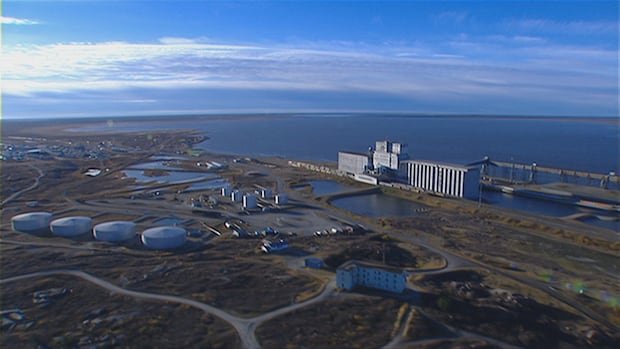

Residents of Churchill, Manitoba, are optimistic about the potential for a longer shipping season following recent studies. While the studies indicate the feasibility of year-round shipping through Hudson Bay without relying on costly icebreakers due to diminishing sea ice, concerns about the impact on tourism and the environment are paramount.
Manitoba Premier Wab Kinew expressed optimism on Friday about the possibility of shipping liquefied natural gas via the province’s sole rail-accessible deepwater port on Arctic waters. Churchill tour operator Dave Daley from Wapusk Adventures believes that extending the shipping season could revitalize the town by attracting more visitors and creating economic prospects for the younger generation. However, questions persist about the implications for the environment and the town’s ecotourism sector.
Tour operator Jeremy Allen of Lazy Bear Expeditions emphasized the importance of finding a balance between shipping activities, tourism, and environmental preservation. He acknowledged the challenges that come with increased shipping but believes that most residents would support expanding the shipping season.
Experts like Ryan Brook, a professor at the University of Saskatchewan, and Kristin Westdal, a marine mammal expert, cautioned about the potential risks associated with industrial expansion in the sensitive Hudson Bay lowlands. They stressed the need to thoroughly study the impacts on local wildlife, such as belugas, narwhals, and polar bears, before proceeding with economic development plans.
Despite the promising findings of the commissioned studies, Westdal emphasized that year-round shipping remains speculative at this stage. The cost-effective vessels required for extended shipping seasons are estimated to be in the hundreds of millions, a more affordable option compared to multibillion-dollar icebreakers. However, challenges may arise concerning the manoeuvrability of tankers through the port entrance when fully loaded with LNG.
Premier Kinew revealed plans for a substantial expansion, including an offshore LNG terminal, with an estimated cost of $70 to $80 billion. He intends to present this opportunity to potential investors in Toronto. Former port worker Joe Stover highlighted the benefits of a diversified economy for Churchill, emphasizing the importance of responsibly seizing opportunities despite concerns about climate change impacts.