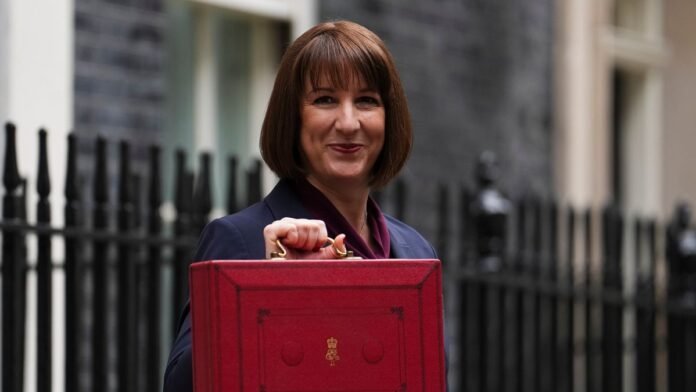

Chancellor Rachel Reeves is set to present her highly anticipated Budget today following extensive speculation about potential tax increases. The announcement is scheduled for around 12:30 pm on Wednesday in the Commons, where she is expected to address a projected £20 billion deficit in public finances, focusing on addressing the cost of living and improving the NHS.
During a recent meeting with Labour MPs, Chancellor Reeves outlined her top priorities as reducing the cost of living, tackling NHS waiting lists, and managing debt levels. She highlighted key achievements such as raising the national living wage, safeguarding the triple lock, expanding free childcare services, implementing free breakfast clubs in primary schools, and extending free school meal coverage. Despite these efforts, she acknowledged the need for further actions to be taken.
Labour’s manifesto pledge to refrain from increasing VAT, national insurance, or income tax for working individuals remains intact, although there was initial consideration of an income tax adjustment, which was later dismissed due to improved financial forecasts reducing the deficit.
Anticipated highlights of the Budget include a raise in the minimum wage, particularly benefiting workers over 21 years old, and a freeze on rail fares for the first time in three decades, offering relief to millions of commuters. Additionally, the abolition of the two-child benefit limit is expected, a policy change long advocated by charities and Labour MPs.
The Treasury is exploring potential increases in gambling taxes to fund the elimination of the two-child benefit cap and mitigate child poverty. Furthermore, adjustments to the taxation on sugary drinks are on the agenda to combat obesity and safeguard children’s health.
Other proposals include extending the freeze on NHS prescription charges, enhancing the state pension, implementing a cap on pension savings through salary sacrifice schemes, potential hikes in tobacco duties, and the consideration of local tourist taxes. Moreover, there are discussions about increasing fuel duty after years of freezes and the introduction of a pay-per-mile charge for electric vehicle drivers in the future.
The Budget is expected to introduce a range of measures aimed at addressing key economic and social challenges, reflecting the government’s commitment to supporting households, healthcare, and public services.