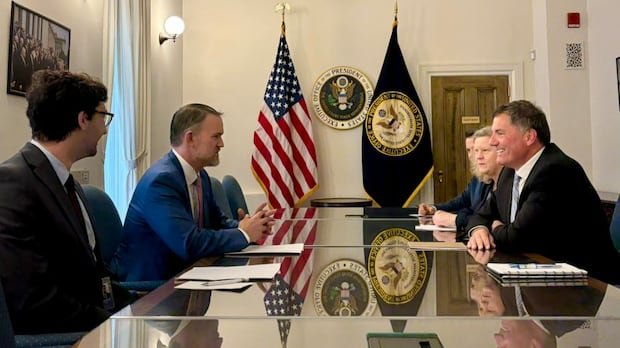

Canada and the U.S. are facing challenges in reaching a tariff deal before U.S. President Donald Trump’s upcoming deadline. Sources familiar with the trade negotiations revealed that the latest offer from the U.S. fell short of Canadian expectations, particularly in reducing sectoral tariffs. Negotiations have been ongoing to find common ground before the looming Aug. 19 deadline when additional tariffs are set to be imposed by the U.S. on Canadian goods.
The U.S. proposal includes provisions for preferential access to Canadian critical minerals and addresses security and energy concerns. Canadian Trade Minister Dominic LeBlanc has been actively engaged in discussions in Washington with U.S. Trade Representative Jamieson Greer in an effort to present a potential trade agreement to President Trump.
It has been emphasized to the American side that if the Aug. 19 tariffs are implemented, there would be little support among Canadians to continue negotiations. Both parties have committed to daily meetings at various levels leading up to the deadline to try to resolve the issues at hand.
While LeBlanc and Charette are seeking relief from existing U.S. tariffs on Canadian steel, aluminum, lumber, and autos, they are also aiming for a renewal of the Canada-U.S.-Mexico Agreement (CUSMA) following the Trump administration’s decision not to extend the deal beyond 2036. The discussions are ongoing, with efforts focused on finding a mutually beneficial resolution before the tariff deadline.
Conservative Leader Pierre Poilievre has urged for a strong stance in the negotiations, emphasizing the importance of securing a favorable deal for Canadians. Industry sources suggest that Canada may be willing to address certain U.S. demands, such as lifting alcohol bans, in exchange for tariff concessions.