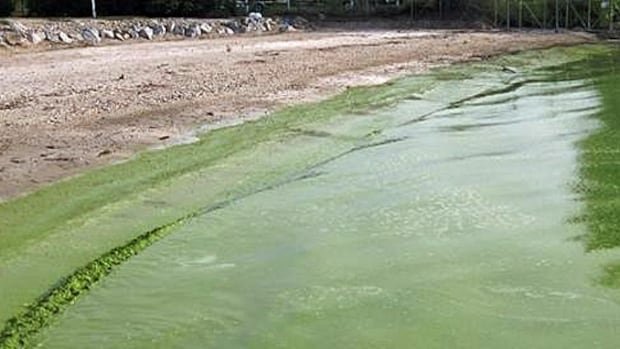

Blue-green algae in Alberta is under close observation by researchers, with a newly launched website allowing public access to real-time tracking of toxic algal blooms at six lakes. The Algal Bloom Tracker utilizes satellite imagery and lake sampling to provide updated information through a user-friendly map.
Rolf Vinebrooke, an aquatic ecology professor at the University of Alberta and a key figure in the project, explained that the website is regularly updated with satellite images capturing the state of the lakes. This comprehensive view aids in identifying the nature of the blooms and areas to avoid.
Blue-green algae, also known as cyanobacteria, can flourish in nutrient-rich Alberta lakes during the summer, forming green scum that can pose health risks. Some blooms can produce toxins harmful to the liver and nervous system if ingested.
The Algal Bloom Tracker allows visitors to check the status of lakes before planning recreational activities, offering insights into past bloom occurrences. Currently, the tracker covers six lakes, selected based on their varying bloom frequencies to provide a comprehensive overview.
Alberta Health Services issues health advisories when excessive blue-green algae is detected in lakes, with over 25 advisories currently in effect across the province. The public is advised to avoid contact with affected water bodies to prevent health issues.
The Algal Bloom Tracker team operates independently from AHS, aiming to provide valuable information for informed decision-making on water activities. Despite an increase in bloom intensities since 2000, there hasn’t been a significant overall worsening of lake conditions, highlighting the importance of monitoring and understanding these phenomena.
The project’s website also serves as a platform to enhance knowledge about algal blooms and their impacts on various aspects of Alberta’s environment, emphasizing the significance of tracking and understanding harmful algal blooms for different stakeholders.