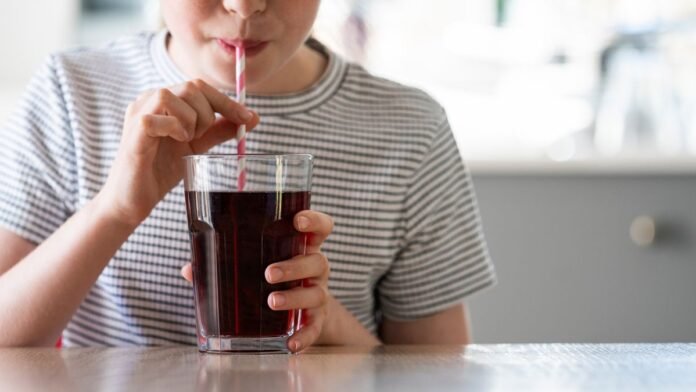

The government is expanding the tax on sugary drinks in an effort to combat obesity and safeguard children’s health, as reported by the Mirror. Health Secretary Wes Streeting is gearing up to announce a reduction in the threshold for the Soft Drinks Industry Levy, decreasing it from 5g to 4.5g of sugar per 100ml. This change means more beverages will be impacted unless manufacturers lower sugar levels. Additionally, milkshakes and pre-packaged coffees will no longer be exempt, as the current exemption on milk-based drinks is expected to be removed.
These adjustments are scheduled to take effect from January 2028, putting pressure on manufacturers to reduce sugar content in their products or face the new levy. While the soft drinks industry may react negatively to the changes due to concerns about business challenges, the modifications are projected to cut around 17 million calories from the daily intake of the population and alleviate strain on the NHS by reducing obesity-related illnesses.
Originally introduced in April 2018 by the Tories, the sugary drinks tax is paid by manufacturers and aims to address obesity by lowering sugar levels in beverages popular among children. Under the current system, drinks containing between 5p and 8g of sugar per 100 ml are taxed at 18p per litre, with the tax increasing to 24p per litre for drinks with over 8g of sugar per 100ml.
Initially, milk-based drinks were excluded from the levy due to concerns about calcium intake for children. However, the government decided to explore extending the levy earlier this year. A source from Whitehall stated, “We don’t comment on Budget speculation. Wes has set the ambition of ensuring today’s children are part of the healthiest generation ever to live. It’s children from disadvantaged backgrounds who are most affected by poor health. Wes is committed to providing every child with a healthy start in life.”
This development coincides with Rachel Reeves’ upcoming unveiling of the Budget, where she is expected to address a deficit in public finances. The Chancellor is anticipated to introduce several smaller tax-raising measures after scrapping plans to raise income tax. The shortfall in public finances is estimated to be closer to £20 billion rather than the £30-40 billion predicted by some experts. Ms. Reeves aims to create additional leeway to help the UK withstand future economic challenges and avoid the need for further financial adjustments next year.