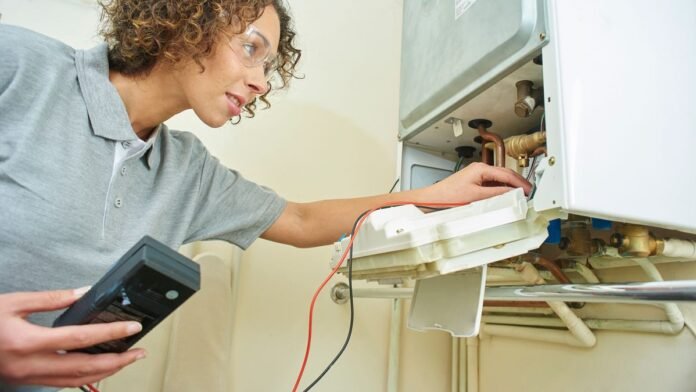

As we approach December and the weather gets colder, it’s essential to understand how your heating system functions. If your boiler is not working correctly and you are concerned about the cost of calling an engineer, consider these tips. Additionally, evaluating insurance policies that cover home emergencies is worthwhile.
When I moved into a new apartment, I struggled to operate the new thermostat. It was fixed firmly on the wall, and I couldn’t locate a battery slot. After searching, I found another thermostat in a kitchen drawer. By inserting batteries, I successfully activated the heating system.
Despite the energy bill crisis prompting more people to learn about their heating systems, many individuals still lack a clear understanding of how their thermostats operate. Studies consistently reveal that thermostats remain a mystery to many households. While some have invested in smart thermostats or read their boiler manuals, a significant portion of the population still finds their heating systems perplexing.
Every year, individuals spend hundreds of pounds on unnecessary emergency callouts for minor thermostat issues that can be easily fixed for less than £1. Often, the main problem is a simple battery change. Confusing symbols flashing on the boiler can also lead to unnecessary callouts when the device fails to receive the correct instructions. Smart thermostats can experience issues as well, such as a blinking screen indicating software downloads, freezing, or malfunctions. Refer to the guide for instructions on troubleshooting and rebooting the thermostat.
If your boiler continues to malfunction, perform basic checks like adjusting the dials, pressing the ‘boost’ option, and observing the boiler’s response. Repressurizing the boiler, although potentially daunting, is a straightforward process for most models. Before attempting this, carefully read the instructions and ensure you understand the procedure to avoid any mishaps.
If your radiators are not heating properly, consider ‘bleeding’ them to release trapped air affecting their efficiency. Energy companies often provide online guides on radiator maintenance. It is recommended to bleed your radiators annually, even if they appear to be functioning correctly.
Before considering a boiler or home emergency policy, review the coverage details to understand what repairs and replacements are included. Check if your home insurance policy already covers home emergencies or boiler breakdowns and contact your insurer for clarification.
When purchasing a boiler or home emergency policy, pay attention to the contract type, callout fees, and coverage limitations. Ensure the policy offers a 24/7 emergency helpline and be aware of any initial ‘no claims’ period. Verify if your boiler’s age affects coverage eligibility and inquire about adding home emergency coverage to your existing home insurance policy.
To prevent issues and potential damage, periodically run your boiler for short periods, especially before the colder months. Keep the thermostat at a low setting to monitor heating without overheating. When away for the holidays, reduce the thermostat setting instead of switching off the boiler completely.