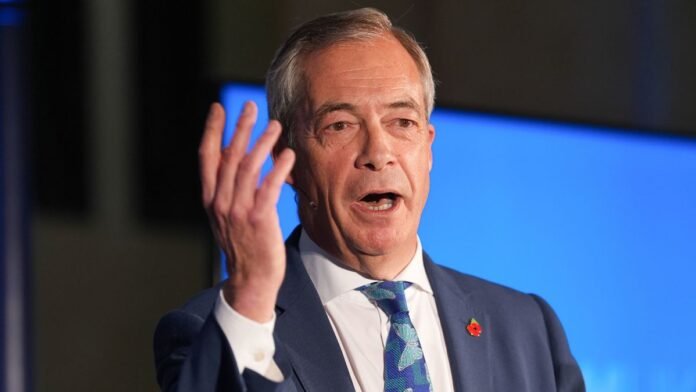

Nigel Farage is under scrutiny following allegations of racist and antisemitic behavior made by several former classmates. The leader of Reform UK is facing accusations from individuals who attended Dulwich College in south London, claiming that he made disturbing remarks in support of Hitler, joked about gas chambers, and discriminated against a student based on their skin color.
Peter Ettedgui, a Bafta- and Emmy-winning director and producer, revealed to The Guardian that Farage would make alarming statements like “Hitler was right” and mockingly mimic the sound of gas chambers. However, a spokesperson for Reform UK refuted all the claims, dismissing them as an attempt to tarnish the party’s reputation.
Ettedgui, whose grandparents fled Nazi Germany, expressed shock at Farage’s offensive language, noting that he also targeted other students with derogatory terms. Additional accounts from former pupils detailed instances of Farage leading inappropriate songs and gestures associated with Nazi ideology.
The allegations have sparked demands for accountability, with Anna Turley MP calling for Farage to address the accusations. Various political figures have condemned the reported behavior, emphasizing the importance of rejecting divisive and hateful rhetoric in public discourse.
Hope not Hate’s Director of Campaigns, Georgina Laming, highlighted Farage’s history of expressing intolerant views, underscoring the need for transparency and accountability in political leadership. The statements have reignited a contentious debate surrounding Farage’s past conduct and its implications for his current role in politics.
Despite denials from Farage’s camp, the allegations have reignited a public conversation about accountability, tolerance, and the responsibility of political leaders to uphold inclusive values.