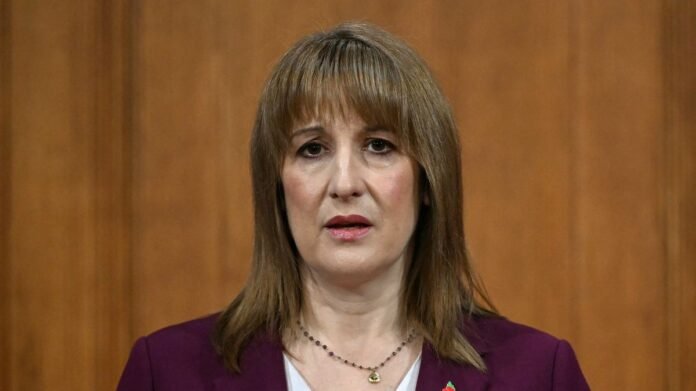

Rachel Reeves has decided to abandon her proposal to violate Labour’s commitment not to raise income tax in the upcoming Budget, as per recent revelations. Despite indications from the Chancellor suggesting potential tax increases in various public addresses and interviews over the past few weeks, Reeves clarified that no definitive choices on tax and spending have been made yet, with the Budget just around the corner. However, she implied a likely tax hike by stating that adhering to Labour’s tax promises without significant spending cuts would be unfeasible.
Following an unprecedented pre-Budget speech last week by Reeves signaling possible tax hikes in her forthcoming financial statement on November 26, Downing Street reportedly made a significant policy shift, according to the Financial Times. This development comes amidst internal strife within the Labour Party, with speculations of a leadership challenge against Keir Starmer, which has sparked a party-wide dispute, especially with allegations of a leadership coup by Wes Streeting, a claim refuted by the Health Secretary.
Reports from the Financial Times suggest that Reeves is exploring alternative approaches to address a substantial deficit in public finances. One option under consideration involves reducing income tax thresholds while keeping the basic and higher tax rates unchanged. Initially, Reeves’ plans included a 2p increase in income tax rates alongside a 2p reduction in national insurance rates, a move intended to spare working individuals but potentially affecting landlords and retirees.
In a speech last week, Reeves laid the groundwork for potential tax increases that diverge from the party’s manifesto commitments, emphasizing the need to address financial challenges transparently. She underscored the necessity of making tough decisions for the country’s well-being, even if they may not be popular or risk electoral outcomes.
The Chancellor emphasized the imperative of facing current realities and collectively contributing to building a better future for Britain. In an interview, Reeves emphasized the importance of presenting the Budget choices, acknowledging the difficulties of maintaining manifesto promises without substantial capital spending cuts that could hinder economic growth and productivity.
Economist Ben Zaranko from the Institute for Fiscal Studies cautioned about the risks associated with retracting tax increase plans, highlighting potential economic repercussions and the likelihood of future policy reversals due to discontent among various interest groups. The Treasury declined to comment on speculations regarding tax changes outside official fiscal events, reaffirming the Chancellor’s commitment to delivering a Budget focused on equitable choices for securing the nation’s future.