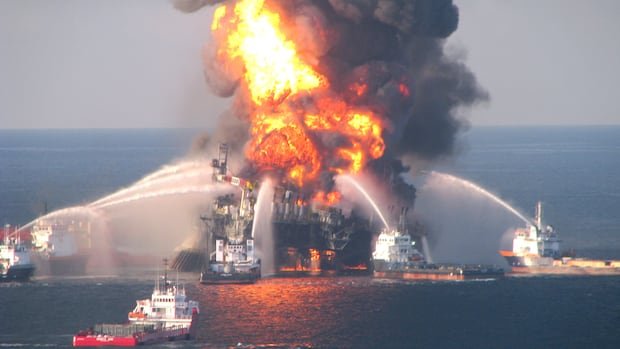

A recent comprehensive study conducted more than 16 years after a devastating oil spill in the Gulf of Mexico has revealed a continued decline in marine life. The Deepwater Horizon oil rig, operated by BP off the coast of Louisiana, suffered a catastrophic explosion on April 20, 2010, resulting in the death of 11 individuals and injuries to 17 others. Over the following three months, approximately 4.9 million barrels of oil were released into the Gulf, causing significant harm to marine ecosystems.
Research led by Tracey Sutton, a biological oceanographer at the Guy Harvey Oceanographic Research Center of NOVA Southeastern University in Fort Lauderdale, Florida, indicates a substantial decline in certain species ranging from 60 to 85 percent in the immediate aftermath of the spill. The most recent report, encompassing an additional eight years of meticulous investigation, was recently published in the Proceedings of the National Academy of Sciences. The study highlights that the adverse effects on marine life have persisted over time, with a notable absence of essential prey resources leading to a decline in various marine species.
The study suggests that the lingering presence of polycyclic aromatic hydrocarbons (PAHs), which are harmful components of the spilled oil, is a significant factor contributing to the ongoing decline in marine life. These oil-derived compounds have been detected in the muscle tissue and eggs of deep-sea fishes and squid, potentially impacting their health and reproductive capabilities. Furthermore, the study indicates that PAHs may affect the olfactory senses of male fishes, crucial for finding mates.
Experts not involved in the research emphasize that the study meticulously considers natural factors that could affect fish populations, such as temperature, food availability, and oxygen levels. They conclude that the primary cause of the decline in marine life is attributed to the prolonged release of oil during the Deepwater Horizon disaster.
The negative repercussions on marine species have broader implications for the Gulf ecosystem, particularly in the deep pelagic zone where diverse marine life plays a crucial role in capturing carbon dioxide from the atmosphere. The disruption in this biological pump mechanism due to the declining marine species could weaken the oceans’ ability to absorb excess carbon dioxide, thus exacerbating the impacts of human-induced greenhouse gas emissions.
The study’s findings underscore the importance of sustainable practices and environmental protection to prevent further damage to marine ecosystems. With ongoing discussions around expanding offshore drilling activities, experts caution about the potential risks and long-lasting consequences associated with further oil exploration and transportation in sensitive marine environments.