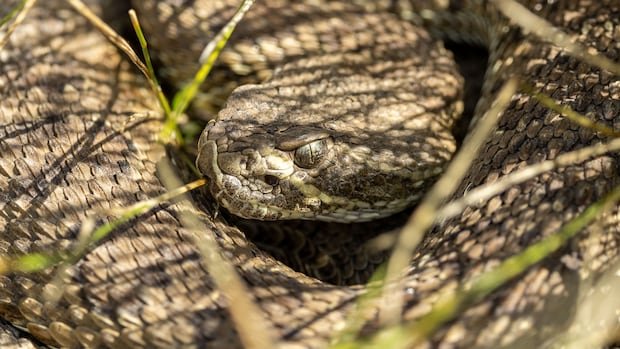

Lethbridge’s snake expert has had a bustling year attending to calls about snakes in the area. Ryan First Diver is the go-to responder for around 70% of inquiries made to the City of Lethbridge’s hotline for snake concerns on public premises. As part of the city’s ongoing rattlesnake management initiative, snakes are relocated from public spaces to their natural habitats like den sites, wintering locations, or birthing grounds.
This year, a total of 211 snakes, including rattlesnakes and bullsnakes often mistaken for rattlers, have been relocated by First Diver. Describing it as an “all-time record,” First Diver highlighted the increased awareness among residents regarding snakes, partly attributed to his social media posts on the topic.
City bylaw officer Dave Henley, who also responds to snake calls, mentioned that Lethbridge typically receives between 150 to 160 snake-related calls annually. First Diver noted that the community is now more knowledgeable about snakes, with residents actively spreading awareness and sharing information online.
In debunking common misconceptions about rattlesnakes, First Diver emphasized that these creatures are not inherently aggressive. He advised that remaining calm and maintaining a safe distance is key when encountering them. Stefano Liccioli, a senior biologist, reiterated that rattlesnakes strike defensively when cornered or threatened.
The rise in snake-related calls in Lethbridge indicates a potential increase in the local snake population, according to Liccioli. Efforts are underway to study and monitor Alberta’s rattlesnake population through programs like the rattlesnake mitigation initiative, which involves tagging snakes with transmitters to track their movements and identify dens.
Liccioli anticipates the availability of substantial data on snake population trends in Alberta within the next decade. This information will guide conservation efforts and determine if additional protective measures are necessary to safeguard these reptiles in the region.