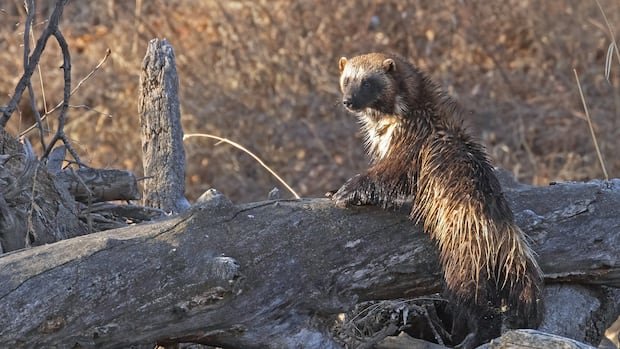

Skiers, snowshoers, and snowmobilers venturing into the wilderness are impacting wolverine populations more significantly than previously realized, according to recent research. A study conducted across the Columbia and Rocky Mountain regions, including Banff National Park, revealed that areas with higher recreational activities and road presence had fewer wolverines inhabiting them. While it was already known that wolverines tend to avoid human presence, this study indicates that the effects extend beyond mere avoidance of individuals on trails.
Lead researcher Mirjam Barrueto and her team from the University of Calgary, in collaboration with Parks Canada, examined wolverines across an expansive 80,000 square kilometers, specifically chosen for being prime wolverine habitat. Previous estimations suggested the area could support around 500 to 600 wolverines, but the study results showed a population of only approximately 300 wolverines residing there.
The study highlighted that winter recreational activities had a more pronounced impact compared to summer pursuits. Barrueto noted that winter recreation leaves a larger footprint due to the accessibility provided by snow cover, enabling skiers, snowmobilers, and heli-skiers to traverse almost anywhere. Female wolverines, especially vulnerable while rearing young, may be disturbed during the winter birthing and denning periods, potentially leading to abandonment of food caches and unnecessary energy expenditure in avoiding human disturbances.
Proposed solutions include identifying critical winter habitats and restricting human access during sensitive periods to safeguard wolverine populations. The study also observed a decline in female wolverine numbers correlating with an increase in road networks, unlike male wolverines.
Wildlife ecologist Jason Fisher, not involved in the study, emphasized the significance of the findings in largely undisturbed lands like the Rocky Mountains, underscoring the alarming decline of wolverine populations in supposedly protected areas. Even minimal human activities, as few as three or four groups passing through over a couple of weeks, can prompt wolverines to vacate an area, according to Barrueto.
Preserving existing trails and refraining from creating new ones or venturing off established paths could aid in providing wolverines with the necessary space. Fisher stressed the urgency of better managing trapping, hunting, and vehicle collisions to prevent additional losses in a population already facing constraints.
In conclusion, wolverines, resilient inhabitants of these mountainous terrains for millennia, require immediate conservation efforts to ensure their long-term survival. Fisher expressed admiration for these enduring creatures and emphasized the need for proactive measures to safeguard wolverines for generations to come.