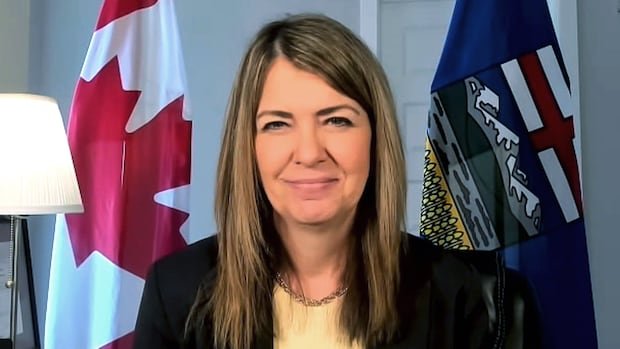

Canadian premiers expressed concern over the U.S. President’s decision to impose 50% tariffs on Canadian imports. Alberta’s premier, Danielle Smith, stood out by raising worries about the impact of a trade war on Alberta’s farmers, furniture makers, and apiarists. Smith urged negotiators from both Canada and the U.S. to resume discussions rather than resorting to retaliatory measures.
Political analysts noted that Smith’s diplomatic stance reflects her desire to maintain good relations with the U.S., a crucial market for Alberta’s oil exports. Ontario Premier Doug Ford called for a unified “Team Canada” approach, emphasizing the need for all provinces to work together to address the tariffs issue. Ford highlighted the importance of using counter-tariffs strategically to pressure the U.S. to reconsider its trade policies.
Smith’s cautious approach aligns with her previous efforts to prevent tariffs through engagement with U.S. officials. However, as Alberta faces a looming referendum on independence, she faces a delicate balancing act between supporting national unity and addressing the concerns of her base. While some critics question her stance on tariffs, others believe her diplomatic strategy has been effective in safeguarding Alberta’s exports.
As the trade dispute continues, experts warn that lack of unity among Canadian provinces could be exploited by the U.S. President. With an upcoming referendum on independence in Alberta, concerns arise about the potential economic impact of uncertainty on investments. Despite differing opinions on tariff strategies, the focus remains on preserving Canada’s economic stability amidst escalating trade tensions.