
Five former chairs of a group advising the federal government on endangered wildlife have issued a public letter expressing worries about potential alterations to the Species At Risk Act. They are concerned that these changes could result in the deliberate extinction of endangered species in Canada. The experts, who previously led the Committee on the Status of Endangered Wildlife in Canada (COSEWIC), sent the letter to the government last month to raise awareness among Canadians and prevent complicity in the deliberate extinction of Canadian wildlife species.
The proposed modifications to the legislation, which currently safeguards over 600 species, are perceived as undermining the act’s efficacy and the protection it offers. The government’s considerations include streamlining the approval process for major projects, potentially bypassing critical assessments such as the “jeopardy test” required to protect endangered species and their habitats from harm.
David Green, a former COSEWIC chair and respected biologist, criticized the proposed changes, emphasizing the importance of jeopardy tests in safeguarding endangered species. These tests serve as a crucial safeguard to prevent projects that could jeopardize species survival. The alterations under consideration also grant the government powers to pre-approve industrial development in designated economic zones and expedite the approval process for pipelines, potentially impacting species like the southern resident killer whale and Chinook salmon.
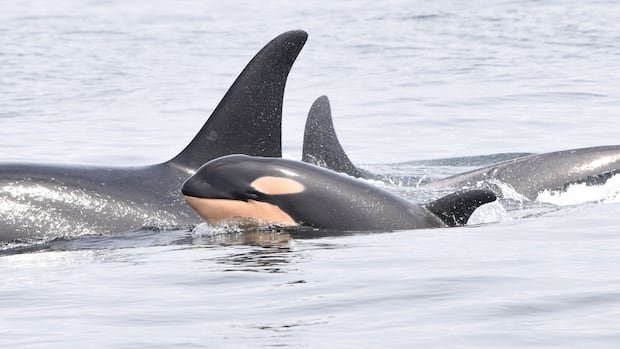
The letter specifically mentions a proposed West Coast oil pipeline, which could have devastating effects on the critically endangered killer whales and their habitats. The scientists warn against risking the unique population of killer whales for the sake of industrial development.
The experts express surprise at the government’s proposed changes to the Species At Risk Act, given its historical significance in protecting endangered species. The alterations, including those proposed in Bill C-5, set a potentially troubling precedent by granting the government broad authority to waive environmental laws and introduce new regulations without parliamentary oversight.
Despite the lack of a government response to their letter, the experts remain committed to conservation efforts and urge the government to reconsider the potential changes. The government’s rationale for fast-tracking projects to boost the economy and reduce dependence on the U.S. market amidst trade tensions has sparked concerns among environmental and Indigenous groups. The public consultation period has been extended, and formal legislation is expected after Parliament reconvenes in September. Green underscores the irreversible consequences of species loss, emphasizing the need for careful consideration in decision-making.