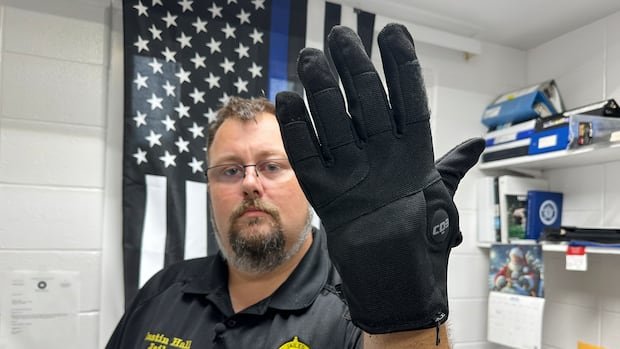

U.S. Immigration and Customs Enforcement (ICE) has secured a $16.7 million contract to procure 6,000 pairs of gloves capable of administering electric shocks. The agency stated that these gloves would be utilized by officers to manage detainees and demonstrators who resist authority.
Despite pushback from civil rights advocates and Democratic lawmakers, ICE proceeded with the purchase of the gloves. The decision was made public when ICE released a notice detailing its intention to buy thousands of “conductive distraction and de-escalation devices” for its personnel.
According to a notice in a federal database, ICE entered into a non-competitive contract with Compliant Technologies LLC, a company based in Kentucky that manufactures the gloves. The contract involves the acquisition of 6,000 devices, along with accompanying equipment and services, to be delivered over the next six months.
Critics have raised concerns about ICE’s use of force, citing limited oversight and accountability, particularly during President Donald Trump’s immigration enforcement initiatives. Incidents resulting in fatalities involving ICE and Customs and Border Protection (CBP) have been reported since the start of last year.
Following the deaths of Americans Renee Good and Alex Pretti, ICE scaled back its high-profile deportation operations in major U.S. cities, prompting public outcry and protests. Despite recording a spike in monthly arrests in July, ICE’s focus on removing violent criminals was questioned as data revealed that a significant portion of those arrested had no prior criminal convictions or pending charges.
The notice to purchase electric shock gloves was released shortly after a group of U.S. senators, led by Democrat Catherine Cortez Masto of Nevada, urged ICE to reconsider its procurement plans. In a letter to ICE’s acting director, Cortez Masto and 15 Democratic colleagues expressed skepticism about the agency’s justification for acquiring the devices.
The gloves function as standard patrol gloves until activated to deliver an electrical shock when pressed against the skin. They are designed to induce pain and compliance from individuals who resist authority and have been utilized by some local law enforcement agencies.
ICE stated that officers would deploy the gloves in high-stress situations, such as making arrests, handling combative detainees, and managing civil disturbances near detention facilities. The agency emphasized the gloves’ role in preventing injuries, facilitating detainee control, and aiding in crowd management.
While ICE assured that the gloves would be used in accordance with established policies, training protocols, and accountability standards, critics, including Cortez Masto and other senators, expressed concerns about the potential risks and lack of clear guidelines for their deployment during civil arrests.
Responding to criticism, the Department of Homeland Security, ICE’s parent agency, defended the purchase, labeling objections as attempts to undermine and endanger ICE officers. The procurement of the electric shock gloves is the latest in a series of no-bid contracts awarded by the Trump administration, drawing scrutiny from Democratic lawmakers regarding transparency and oversight in government contracts.