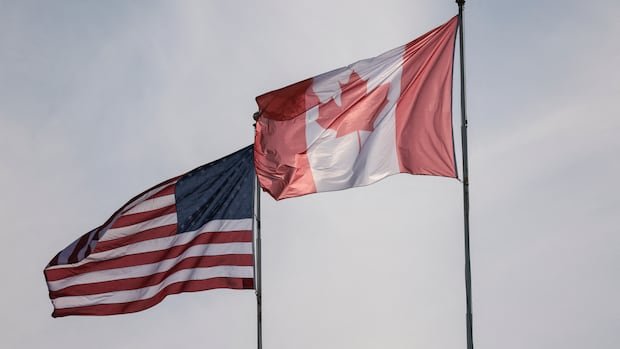

Canada and the United States are currently engaged in a serious trade conflict, with potentially significant impacts on both nations. Following the breakdown of trade talks last week, the U.S. introduced tariffs of 50% on $27.6 billion worth of Canadian goods. In response, Prime Minister Mark Carney announced retaliatory tariffs of equal value on U.S. goods, scheduled to be enforced on September 8.
President Donald Trump has threatened additional tariffs on Canadian automotive products, raising the current 25% levy to 50% effective January 1, 2027. Both sides seem resolute in their positions, indicating a prolonged dispute ahead. The Canadian government is mobilizing $7.5 billion to support affected workers and businesses.
As tensions escalate, correspondents in Washington are analyzing the potential severity of the trade war and what actions could lead to a resolution. The impact of the tariffs is expected to hit Canadian businesses hard, particularly smaller enterprises and communities reliant on industries targeted by the tariffs.
The ongoing situation may lead to significant economic hardship for Canadians, with concerns about mortgage payments, feeding families, supporting children’s activities like hockey, and funding education. The lack of a clear path for de-escalation suggests tough times ahead, potentially necessitating increased social support from the government.
The importance of resilience and unity within Canada is highlighted, with calls to support local products and boycott American goods. Despite this, the disparity in population size between Canada and the U.S. underscores the dependency of the Canadian economy on trade with its southern neighbor. Continued trade tensions pose challenges for Canadian companies and employers, impacting their ability to sustain operations.
While previous tariffs have been partially mitigated, the evolving nature of the Canada-U.S. relationship underlines the need for strategic responses from Canadian leaders and citizens. The stance taken by the Canadian government and the response of the Canadian public will play a crucial role in navigating the complexities of the trade dispute.