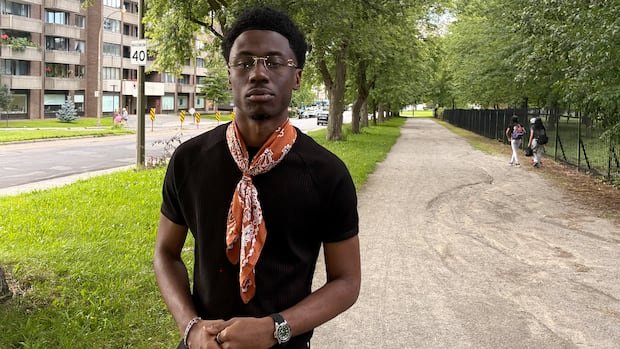

A journey back to Kinshasa this summer was anticipated to be a reunion for Jonathan Likongo with his family after two years in Montreal. However, the Université de Montréal student opted to stay in Canada, fearing potential travel restrictions.
In response to the Ebola outbreak, Canada implemented temporary entry restrictions for certain foreign nationals from central African countries. Subsequently, a ban was imposed on foreign nationals who had recently been to the Democratic Republic of Congo (D.R.C.) within 21 days. These measures are scheduled to last until Aug. 29.
The Congolese Students’ Association at Université de Montréal, including Likongo, found the timing challenging as many students had intended to travel during the summer break, unaware of the imposed restrictions.
Numerous students across Quebec are affected by these measures, with Université de Montréal reporting 170 new students from D.R.C. or Sudan for the upcoming term, and 182 existing students from these countries. Additionally, Université Laval and Université du Québec à Montréal are also grappling with the impact on approximately 240 and 100 students, respectively.
The universities are collaborating with students to navigate through the uncertainties. Adjustments include deadline extensions for undergraduate registrations, deferred admissions, remote learning options, and individual assessments to address varied circumstances.
Looking ahead, students stranded outside Canada are anxious about the post-Aug. 29 scenario. Health Canada, in a statement to CBC, affirmed ongoing monitoring of the Ebola situation and reassured a review of measures in collaboration with international partners before the expiration date.
For Likongo and others like him, missing out on family reunions due to the situation has been distressing. They remain hopeful for a prompt resolution and an end to the disease, eagerly awaiting the opportunity to reunite with their loved ones.